Water Damage Restoration Jurupa Valley, CA
Water damage restoration in Jurupa Valley, CA, from the first pass of extraction to the final dry reading. The drying team handles supply leaks, storm runoff and sewage backups, and writes down every moisture reading for the claim.
(888) 578-6508Water on the floor? Send the drying crew now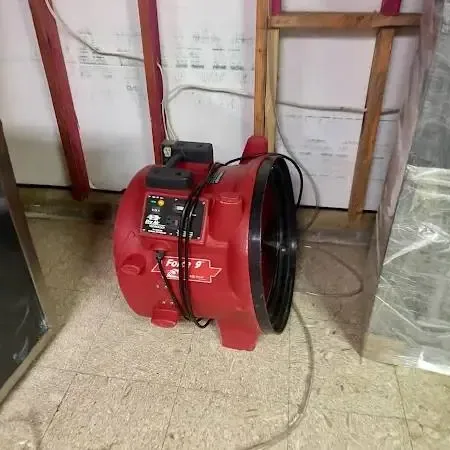
Three places a water loss usually starts in a house here
Single-family houses make up about 77% of the city's homes, and most water losses begin in one of three spots.
Inside the walls
Supply pipes, valves and fittings in older walls have decades of use, and about 53.8% of the city's homes date from before 1980.
Burst pipe and supply leaksUnder the appliances
Washers, dishwashers and refrigerator hoses fail in owner-occupied homes and rentals, and a split hose can soak a floor before anyone is home.
Appliance and hose leaksUp on the roof
Heavy rain is when roofs get tested, and a clogged gutter or a worn patch of roofing sends water through the attic and into the ceiling below.
Roof leak water damage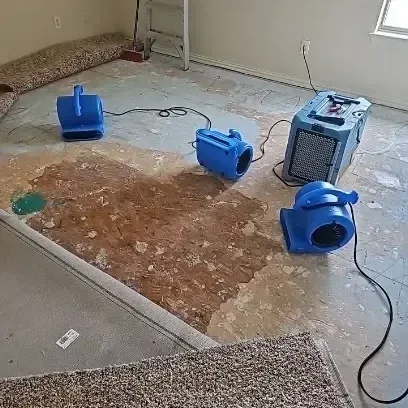
Water Damage Restoration Services in Jurupa Valley, CA
Water and sewage restoration only, from the first extraction pass to the final moisture reading, for single-family houses, rented units and the larger warehouse buildings near the SR 60 corridor.
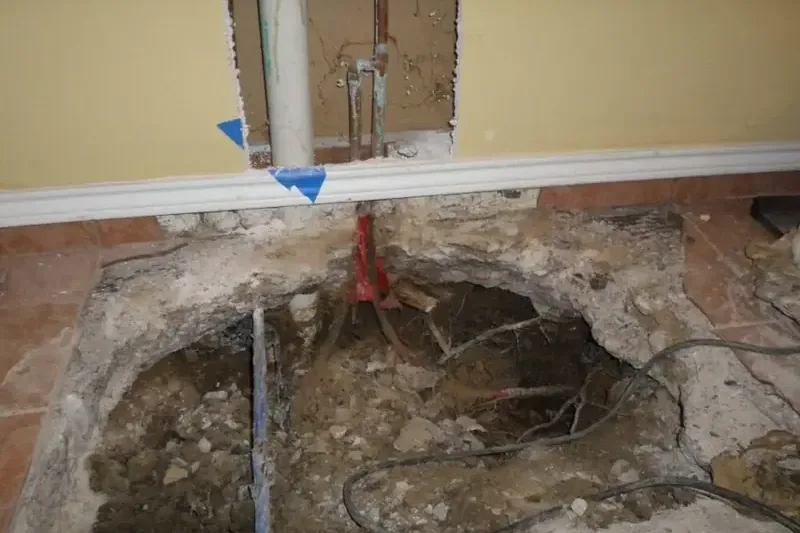 Slab Leak Water DamageHidden leaks beneath a concrete floor traced with meters and thermal imaging, then the flooring and slab dried to goal.See how it is handled
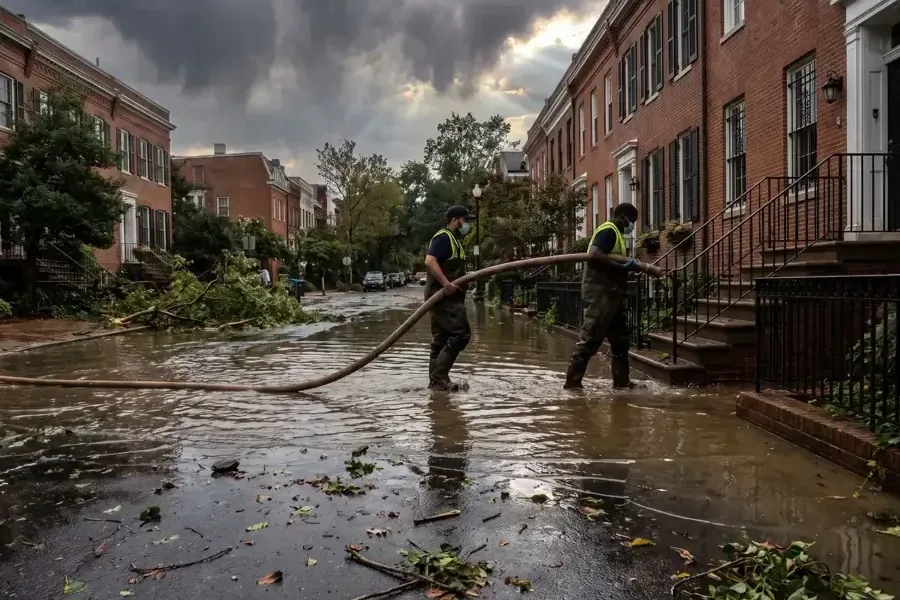 Storm Runoff and Flood CleanupRain and street runoff that gets past a door or garage is removed as contaminated water, then the structure is dried.See how it is handled
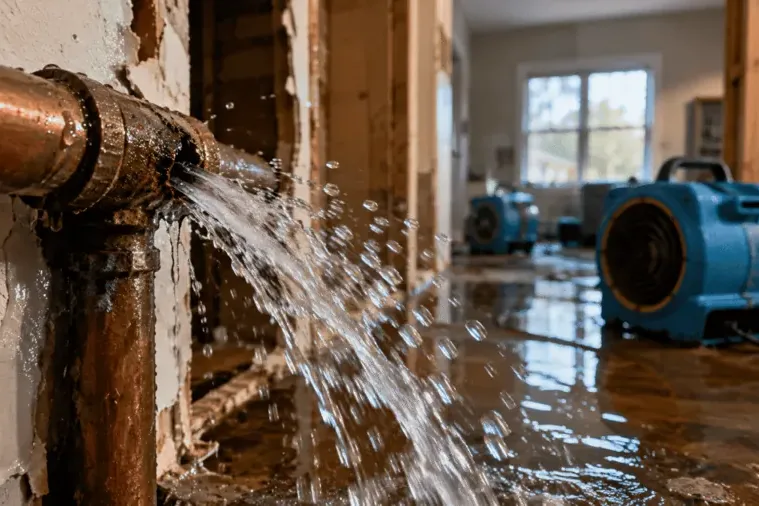 Burst Pipe and Supply Line LeaksSplit supply pipes, failed valves and loose fittings behind walls and ceilings, with wet drywall and insulation dried where it stands.See how it is handled
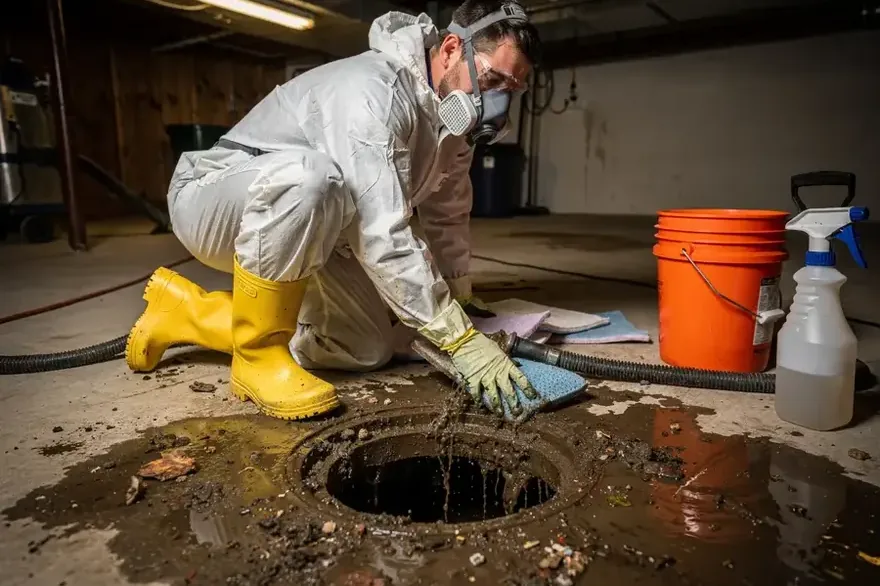 Sewage Backup CleanupBackups through a toilet, tub or floor drain are treated as Category 3, with porous materials bagged and hard surfaces sanitized.See how it is handled
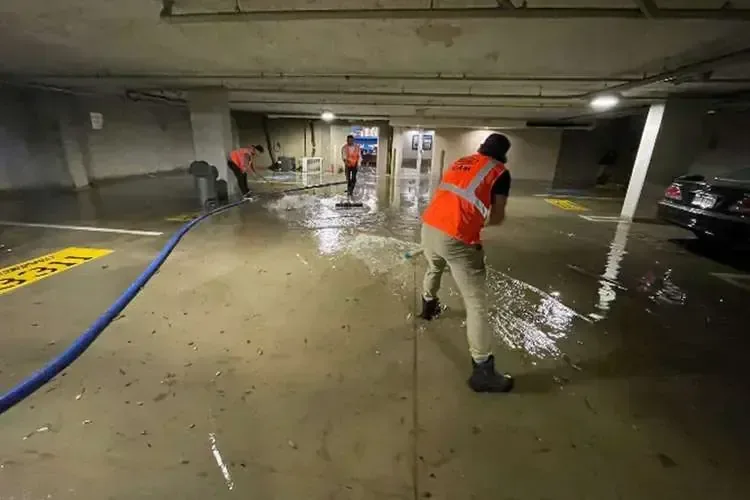 Water Extraction and RemovalWater standing on floors and soaked into carpet is vacuumed out first, so drying equipment has less to fight.See how it is handled
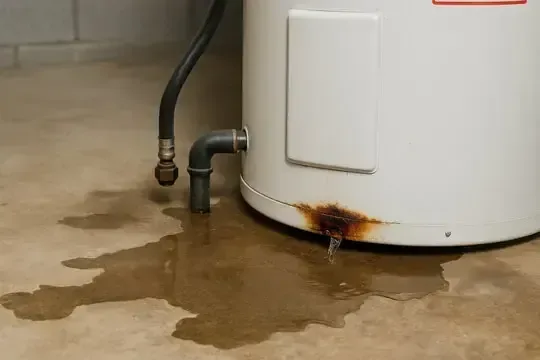 Water Heater Leak CleanupTank failures in garages and closets, extracted before stored boxes, drywall and flooring soak up more water.See how it is handled
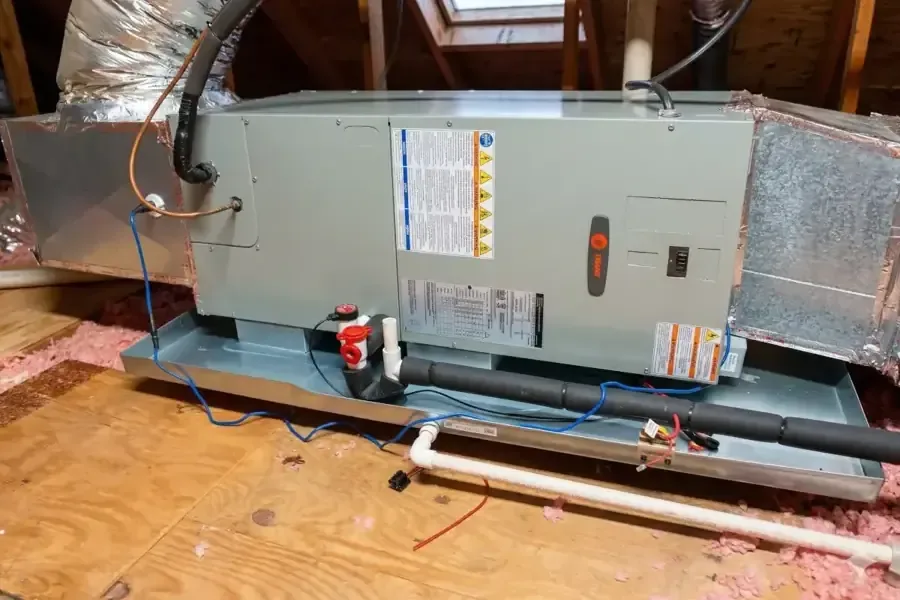 AC Condensate Leak CleanupOverflowing drain pans and clogged condensate drains, dried out of attic ceilings, closets and the walls below them.See how it is handled
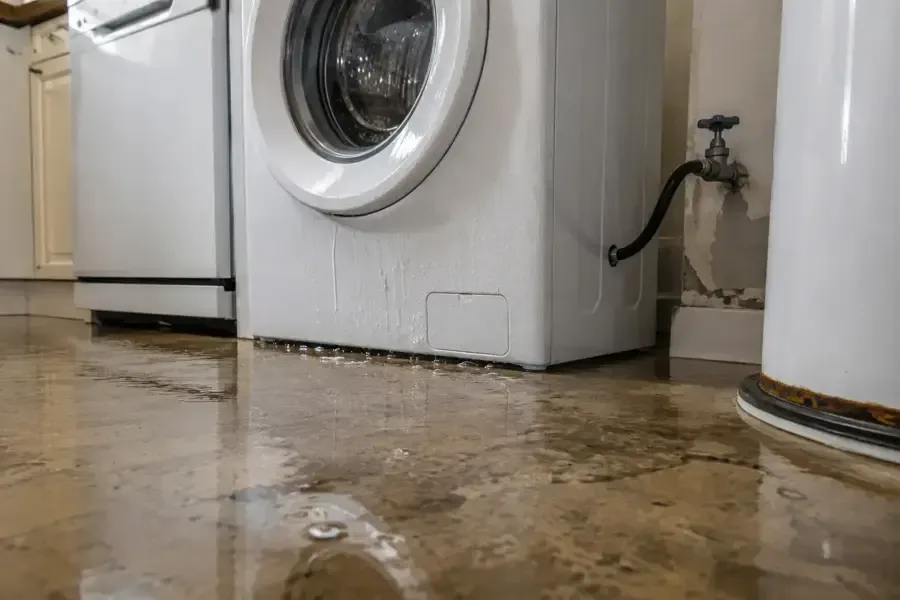 Appliance and Supply Hose LeaksWasher, dishwasher and refrigerator hose failures, dried under cabinets, behind toe kicks and across kitchen and laundry floors.See how it is handled
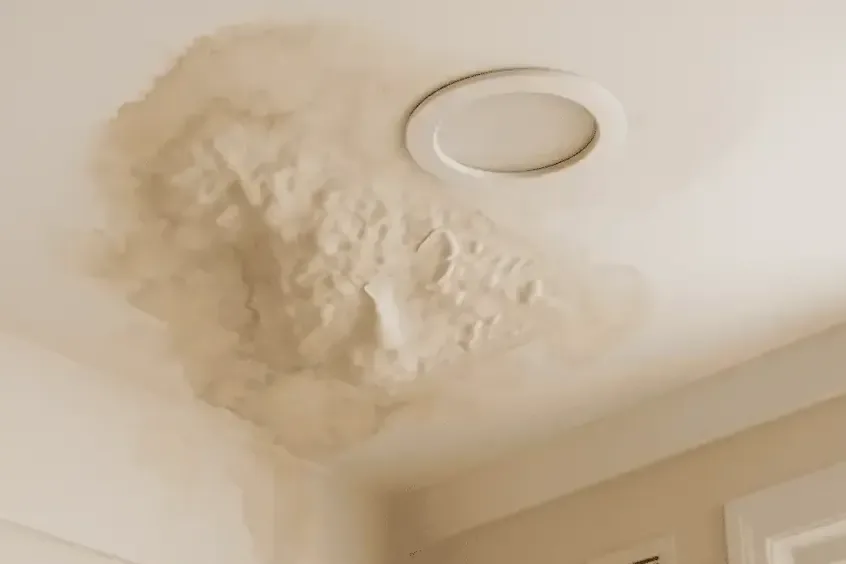 Ceiling Leak Water DamageStained or sagging ceilings traced to the source above, with drywall opened only where moisture readings call for it.See how it is handled
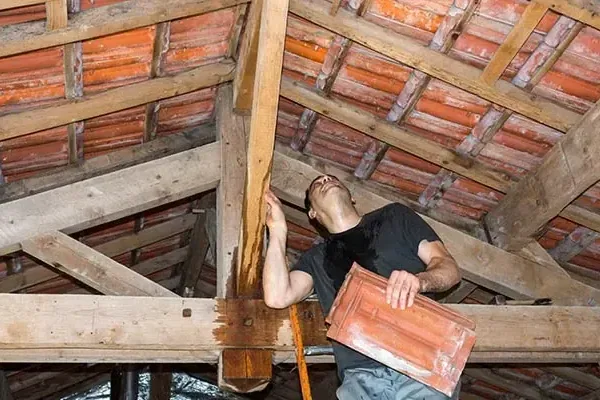 Roof Leak Water DamageStorm leaks at flashing, vents and gutters, with wet attic insulation pulled and the ceilings below dried.See how it is handled
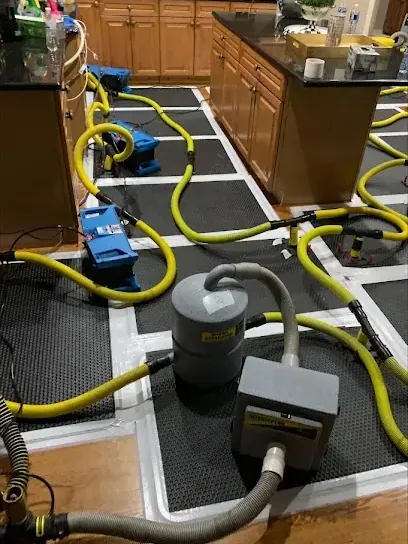 Structural Drying and DehumidificationFraming, subfloor and concrete dried with air movers and dehumidifiers until each material reaches its dry reference.See how it is handled
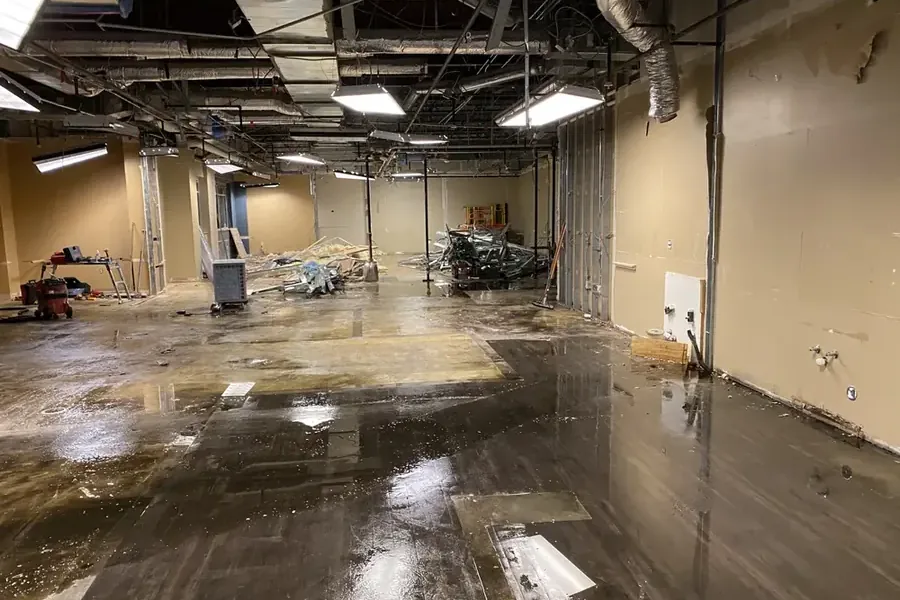 Commercial Water DamageWarehouse, shop and office water losses dried in phases, so deliveries and shifts can keep moving around the work.See how it is handled
What to do while water is still spreading
Find the main shutoff
Turn the main valve off where the supply enters the house, and open a low faucet so the pipes drain.
Cut power to wet rooms
Switch off breakers for wet areas from a dry floor, and stay out of rooms where water reaches outlets.
Treat backups as sewage
Anything that rises out of a toilet, tub or floor drain is contaminated, so children and pets stay away.
Document before cleanup
Photograph and film each wet room and damaged belonging before anything is moved or discarded.
Lift, then call
Raise rugs, boxes and furniture legs off wet floors, since damp materials can start growing mold inside a day or two.
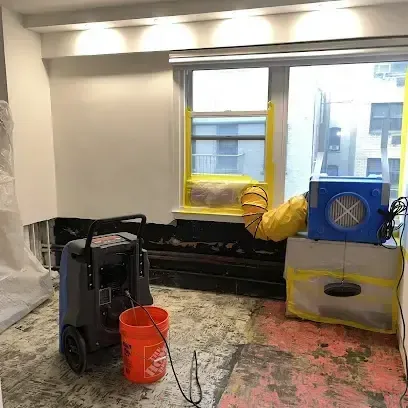
Equipment on a typical dry-out
- Extraction units
- LGR dehumidifiers
- Desiccant dehumidifiers
- Air movers
- Thermal camera
- Moisture meters and probes
Drying measured against a dry reference, not guessed
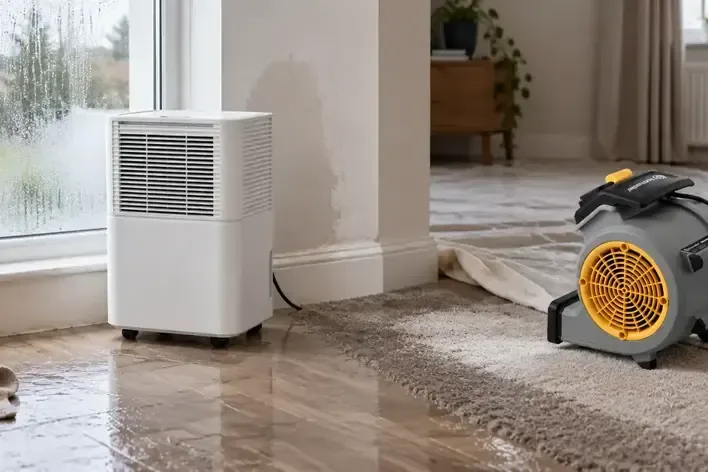
A room that feels dry can still hold water in the framing, drywall and concrete. The drying team measures every material, runs equipment around the clock and stops only when readings reach the dry reference.
| Map the moisture | Meters and a thermal camera show which floors, walls and cabinets are wet before any equipment is set. |
|---|---|
| Pull out the water | Extraction units clear standing water and press moisture from carpet and pad, which shortens the drying schedule. |
| Build the drying zone | Air movers sweep wet surfaces while dehumidifiers collect the moisture that comes off them. |
| Confirm it is dry | Daily readings continue until each material sits at its dry reference, and the log goes to the adjuster. |
Storm runoff, the Santa Ana River and the city's channels
The city names urban street flooding in heavy rain and localized drainage problems, and it lists the Santa Ana River corridor and flood control channels as its biggest river-related flood risk.
- The city is downstream of Seven Oaks Dam, the Jurupa Basin and the Declez Retention Basin, and lists flash flooding and debris flow among the flood types residents should know.
- During storms, sandbags are available at all CAL FIRE stations inside the city, and gutters, yard drains and street inlets should be cleared.
- Regional history: great floods struck the Santa Ana River Basin in 1938 and Southern California in 1969, and neither record is a confirmed local event.
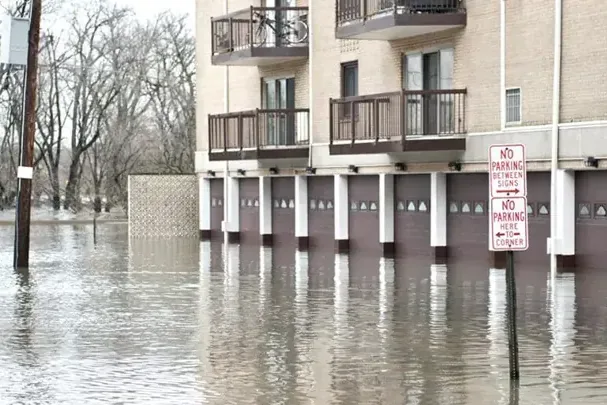
What separates a finished dry-out from fans and hope
The goal is a home that measures dry, not one that only looks dry, with records an adjuster can check item by item.
Response at any hour
Crews head out nights, weekends and holidays, to every one of the nine communities that make up the city.
Standard-based drying
Each step follows the IICRC S500 drying standard, from the water category decision to the final reading.
Records for the adjuster
Moisture maps, daily readings and dated photos add up to a claim file that is simple to follow.
Single-family know-how
Most homes here are detached houses, so crews dry walls, floors and framing room by room as far as the water spread.
Clean, gray and black water are treated differently
The contamination level decides what gets dried and what gets removed.
Category 1, clean
Supply pipes, water heaters and slab leaks. Dried in place when drying starts quickly.
Slab leak water damageCategory 2, gray
Drain pan overflow, dishwasher and washer discharge. Carpet pad and low drywall are cleaned or cut away depending on exposure.
AC condensate leak cleanupCategory 3, black
Sewage and outside floodwater. Porous materials it touched are removed, not dried.
Sewage backup cleanupWhat does water damage restoration cost in Jurupa Valley, CA?
Water damage restoration here typically runs $1,200 to $15,000 or more. Where a job lands depends on the water category, how many square feet are wet, the type of material and how soon drying starts. Long-running leaks and sewage backups sit at the top.
| Type of loss | Typical range | What usually drives it |
|---|---|---|
| Small, clean water | $1,200 to $2,800 | one or two rooms, dried in place, daily readings |
| Slab leak or several rooms | $2,600 to $15,000 | flooring lifted, dehumidifier drying, wall bottoms opened |
| Sewage or outside runoff | $12,000 to $24,000+ | Category 3 protocol, air scrubbers, porous material removal |
These are typical ranges, not a quote. For a closer planning number, run the water damage cost calculator first.
Documenting a water loss for the insurance adjuster
Adjusters look for dated proof of the damage, the cause and the drying work, and a tidy file speeds the decision.
- Dated photos and video of every wet room
- The source of the leak, noted and photographed
- Moisture readings from the first visit
- Daily drying logs and equipment counts
- A list of damaged items before disposal
When a homeowner dries it alone
A wet vacuum and a fan can handle a small spill on a hard floor, but water inside walls, pad or insulation stays behind and keeps feeding the damage.
If the water came from a sewage backup, or has soaked more than one room, a professional dry-out with moisture readings is the safer route.
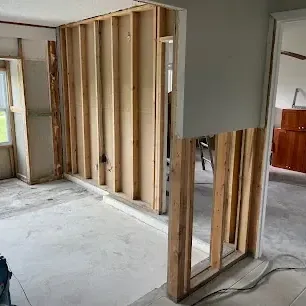
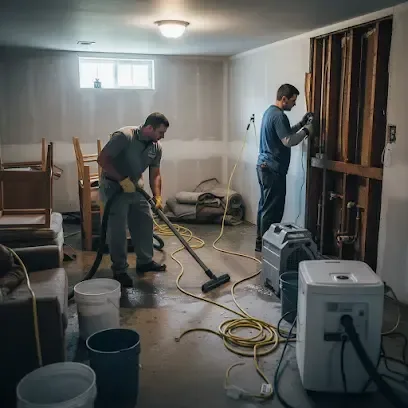
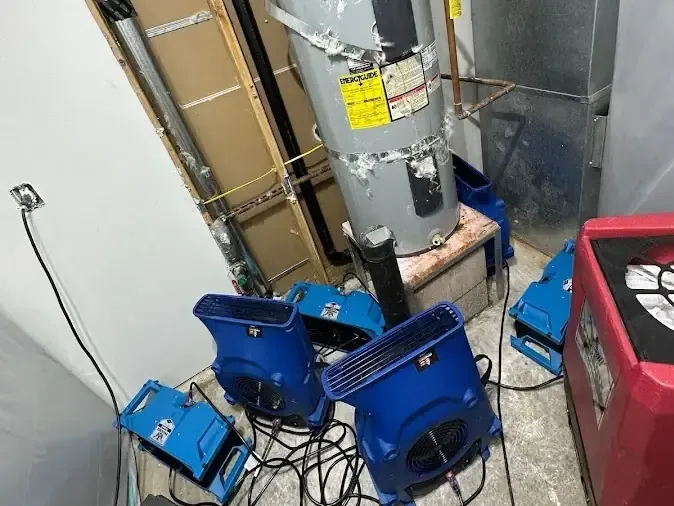
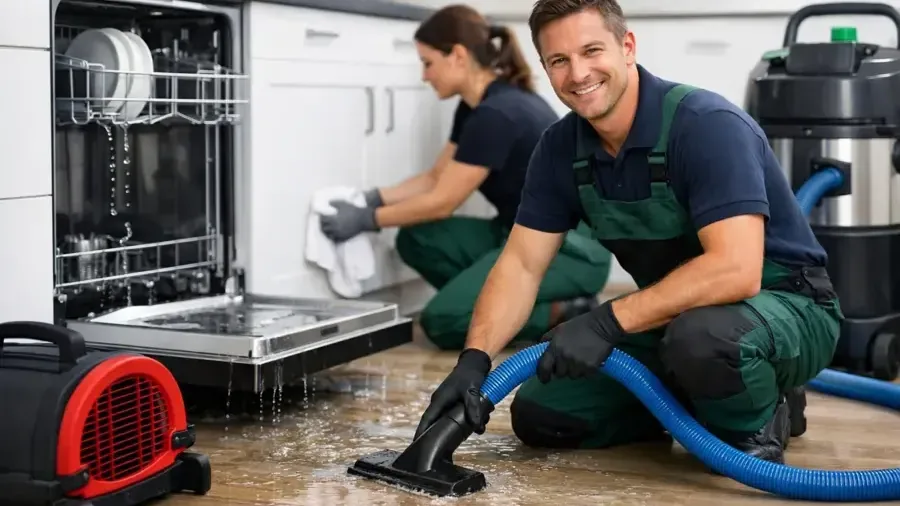
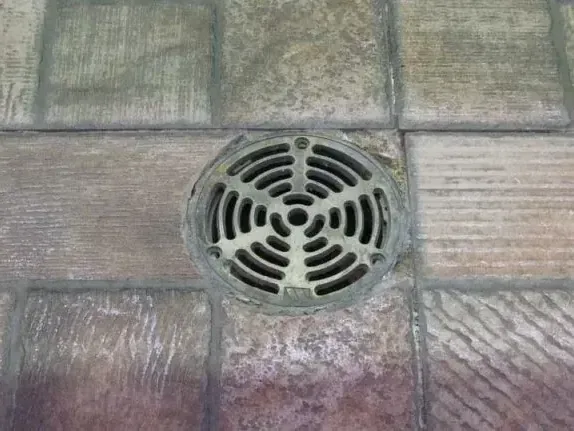
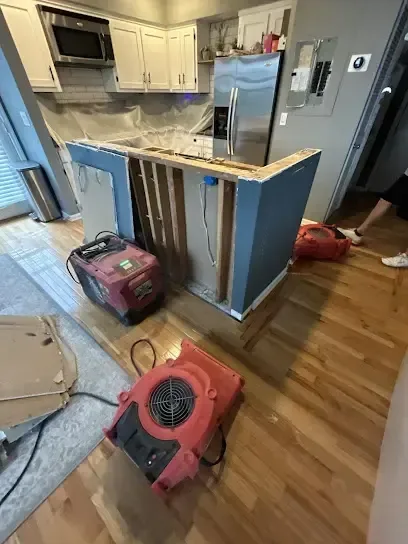
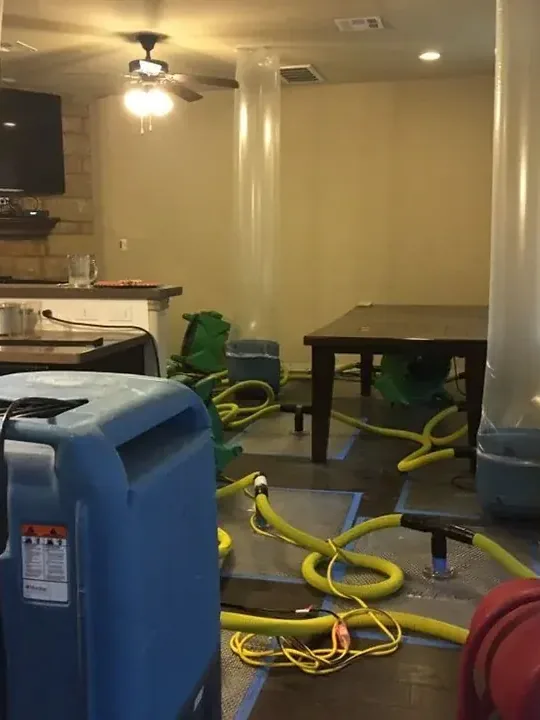
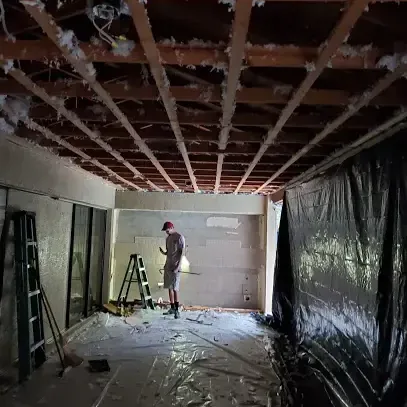
Photos from water damage dry-outs
Water damage restoration across the city's nine communities
The restoration crew works across the nine communities that formed the city in 2011, from Mira Loma and Pedley to Rubidoux, Glen Avon and Sunnyslope, and the streets around them.
Tell the dispatcher what is wet and where it started
Describe the wet rooms and the likely source, whether a pipe, the roof, a drain or the yard. The response team then packs the extraction and drying equipment that job calls for.
(888) 578-6508Book a dry-out in any of the nine communitiesRain, river channels and older homes
The city flags urban street flooding in heavy rain, localized drainage trouble and the Santa Ana River corridor, while more than half of its homes date from before 1980.
- Street flooding. The city reports urban street flooding during heavy rainfall, so water can reach garages, doorways and single-family ground floors quickly.
- River and channels. The Santa Ana River and the flood control channels are the biggest river-related flood risk the city names, and outside runoff is handled as Category 3 water.
- Dams and basins. The city sits downstream of Seven Oaks Dam, the Jurupa Basin and the Declez Retention Basin, one more reason residents are told to prepare before storms.
- Older homes. About 53.8% of the housing stock predates 1980, and decades of use put wear on supply pipes, water heaters and shutoff valves.
- Rented units. About 34.2% of occupied homes are rented, and some sit in buildings of 5 to 19 units or more, where a leak can travel in from the unit above.
December 25 and 26, 2003 (regional): A Pacific storm dropped heavy rain on Southern California mountains and foothills, with flash flooding and debris across several highways and roads. It was a regional event, not a confirmed local record.
Water Damage Questions in Jurupa Valley
Water on the floor right now? Shut off the water if it is safe, then call. The sooner extraction starts, the less the framing and drywall soak up.
(888) 578-6508Talk to a dry-out crewHow soon should drying start after a leak or flood?
As soon as possible. Damp materials can start growing mold inside a day or two, and wet framing and drywall hold water that room fans never reach. Extraction comes first, then equipment and readings.
Does the crew work nights, weekends and holidays?
Yes. Water losses do not wait for business hours, so the response team heads out at any hour. Describe what is wet and where it started, and the right extraction and drying gear gets loaded.
What should be done about a sewage backup?
Anything that backs up from a drain is contaminated, so people and pets stay out. Where the sewer belongs to Jurupa Community Services District, the district asks residents to contact it first and checks the main sewer and any cleanout. The property owner is responsible for the lateral.
Are houses built before 1980 more likely to leak?
About 53.8% of the city's housing stock dates from before 1980. Age alone does not cause a leak, but decades of use wear supply pipes, valves and water heaters, so a stain or a jump in the water bill deserves a look.
Can water travel between apartments or units?
Yes. About 6% of units sit in buildings of 5 to 19 units and about 5% in buildings of 20 or more, and water moves down through ceilings and along shared walls. Each affected unit is dried and documented.
Does the crew work on warehouses and shops?
Yes. The city is part of a major logistics center for Southern California, and about 29% of local jobs are in transportation and warehousing. Large buildings are dried in phases around shifts and deliveries.
What helps before a storm arrives?
The city advises clearing gutters, yard drains and nearby street inlets and moving valuables above ground level. Sandbags are available at all CAL FIRE stations inside the city during storm events, and the FEMA National Flood Hazard Layer viewer shows whether a property sits in a flood zone.
Is storm water treated differently from a pipe leak?
Yes. Water that comes in from outside is Category 3 because it carries soil, debris and bacteria, so soaked carpet, pad and low drywall are removed rather than dried.
How is a dry-out shown to be finished?
Meters and a thermal camera map the moisture at the start. Readings are logged each day until framing, drywall and floors reach their dry reference, and that log goes into the claim file.
Which neighborhoods does the crew cover?
All nine communities that formed the city: Belltown, Crestmore Heights, Glen Avon, Indian Hills, Jurupa Hills, Mira Loma, Pedley, Rubidoux and Sunnyslope.
A wet floor will not dry out on its own
Call now, any hour. The drying team extracts, measures and dries until every material reaches its dry reference.