Water Damage Restoration Eastvale, CA
Water damage restoration in Eastvale, CA, around the clock. The response team extracts standing water, dries framing, drywall and floors to the IICRC S500 standard and logs every reading for the insurance file.
(888) 578-6508Water spreading in the house? Get extraction started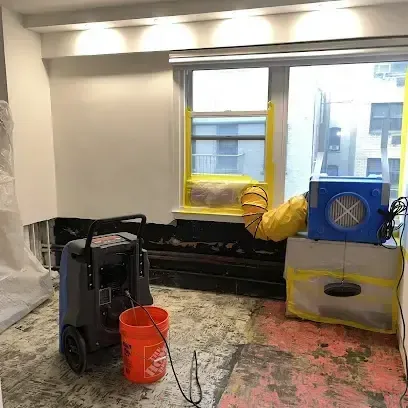
Three places water damage starts in a house from the 2000s
Three out of four homes here went up from 2000 to 2009, and most water losses start in one of three spots.
Behind the walls
Supply lines, valves and fittings inside the walls can let go with no warning and soak drywall and insulation before a stain shows.
Burst pipe and supply line leaksUnder the appliances
Washers, dishwashers and ice makers in busy households run every day, and a failed hose floods a laundry room or kitchen fast.
Appliance and supply hose leaksFrom the roof down
Most rain falls in winter and early spring, and the first heavy storm finds lifted flashing, clogged gutters and worn vents.
Roof leak water damage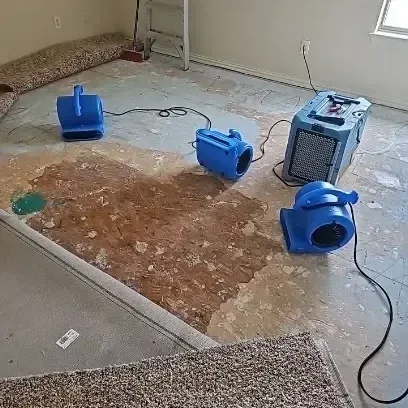
Water Damage Restoration Services in Eastvale, CA
Water and sewage restoration only, from the first extraction pass to the final dry reading, for single-family homes, rentals, schools and the large distribution buildings across the city.
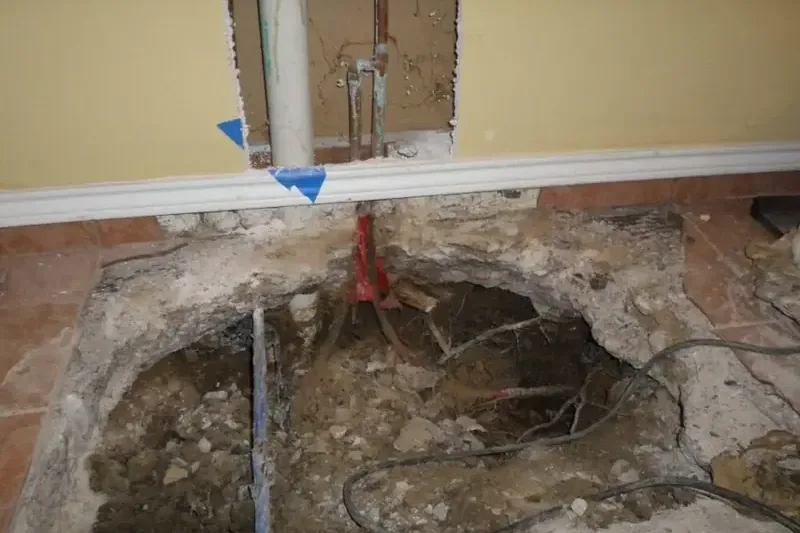 Slab Leak Water DamageHidden leaks below the floor found with meters and thermal imaging, then the flooring and concrete dried to goal.See how it is handled
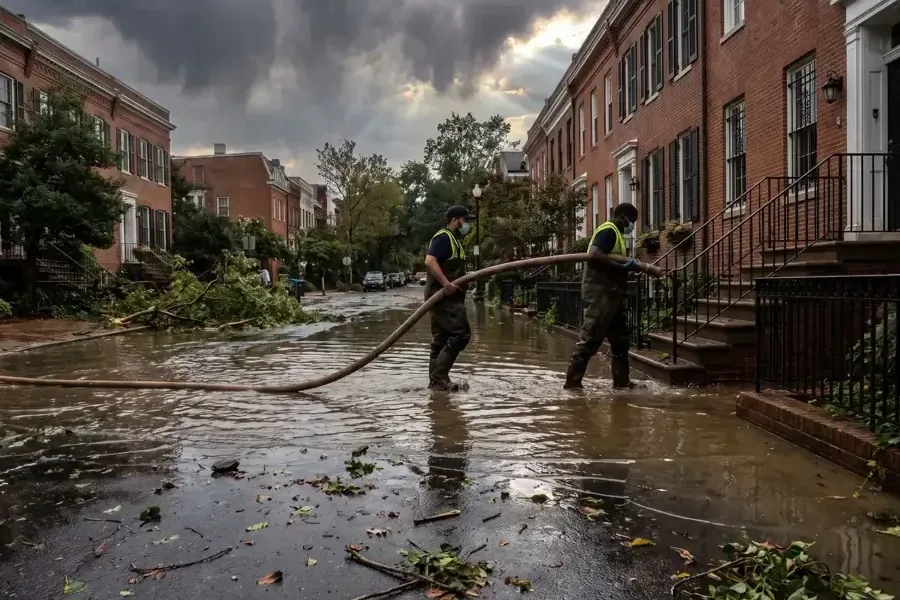 Storm Runoff and Flood CleanupWinter and spring storm water that gets past a door or garage, removed as contaminated water and dried.See how it is handled
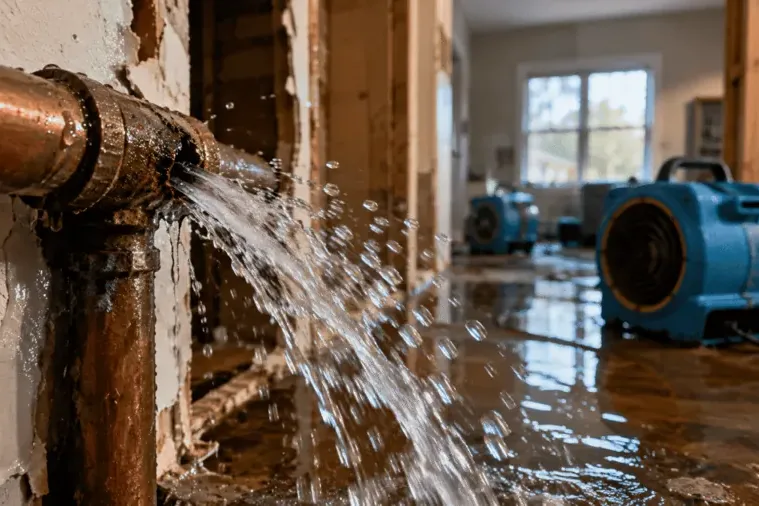 Burst Pipe and Supply Line LeaksFailed supply lines, valves and fittings inside walls and ceilings, pulled out fast and dried in place where possible.See how it is handled
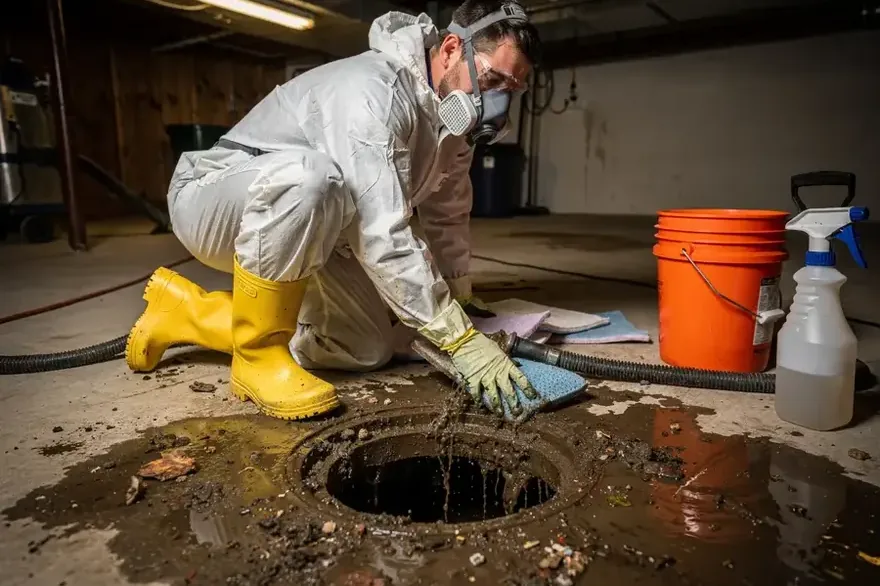 Sewage Backup CleanupToilet, tub and cleanout backups handled as Category 3, porous materials bagged out and surfaces treated.See how it is handled
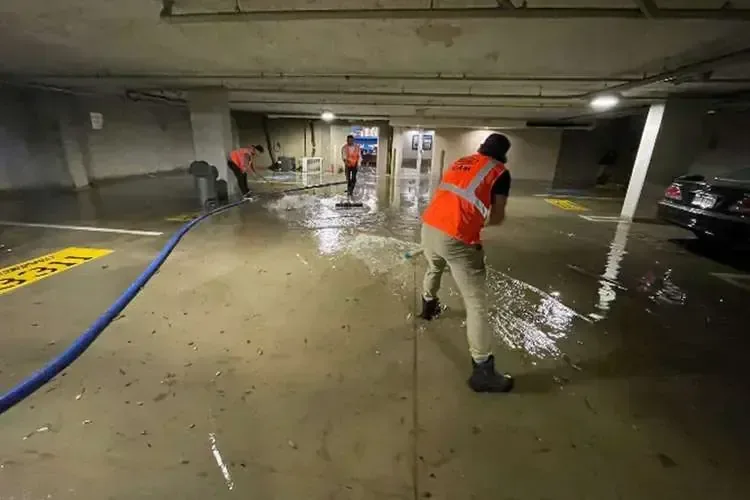 Water Extraction and RemovalStanding water pulled off floors and out of carpet with truck-mounted units before any drying begins.See how it is handled
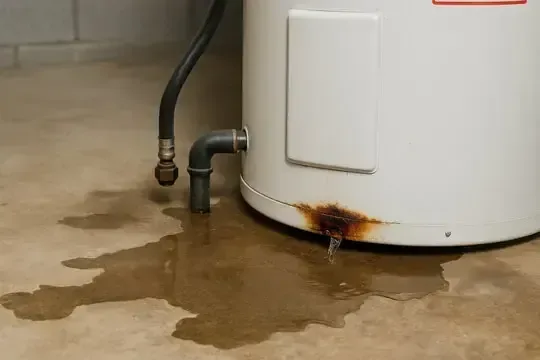 Water Heater Leak CleanupGarage and closet tank failures in homes now about twenty years old, extracted before drywall and stored boxes soak.See how it is handled
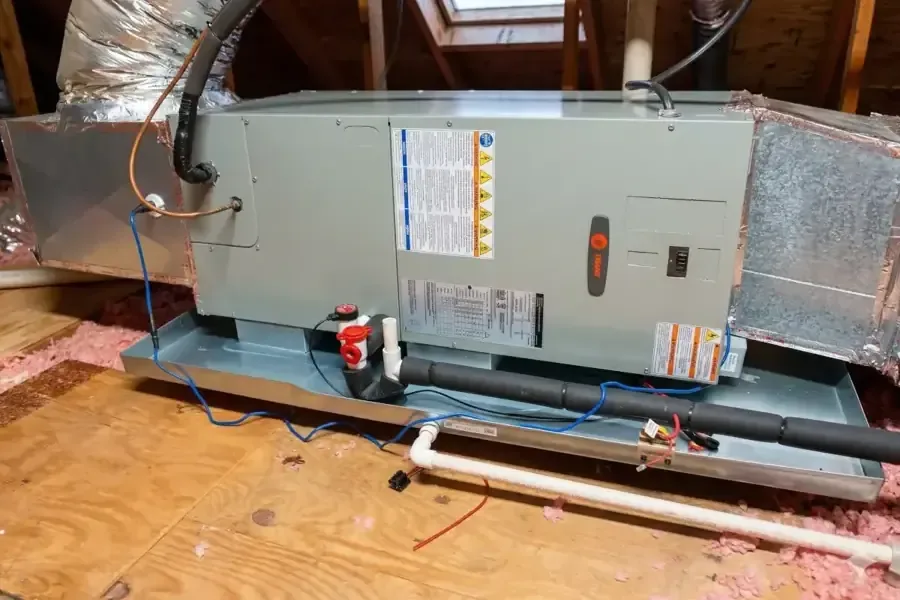 AC Condensate Leak CleanupOverflowing condensate pans and clogged drain lines from long summer cooling runs, dried out of ceilings and walls.See how it is handled
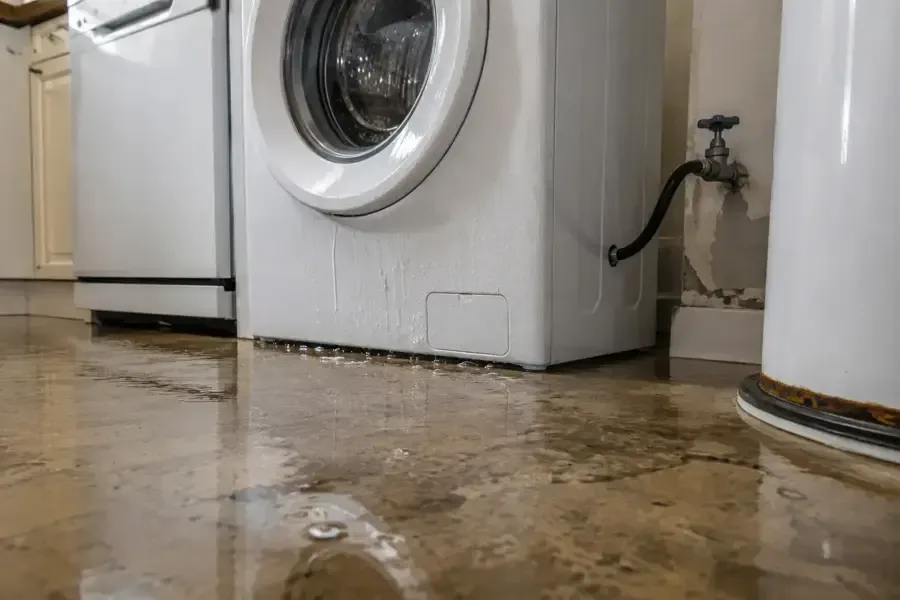 Appliance and Supply Hose LeaksWasher, dishwasher, refrigerator and toilet supply leaks, dried under cabinets, behind toe kicks and across floors.See how it is handled
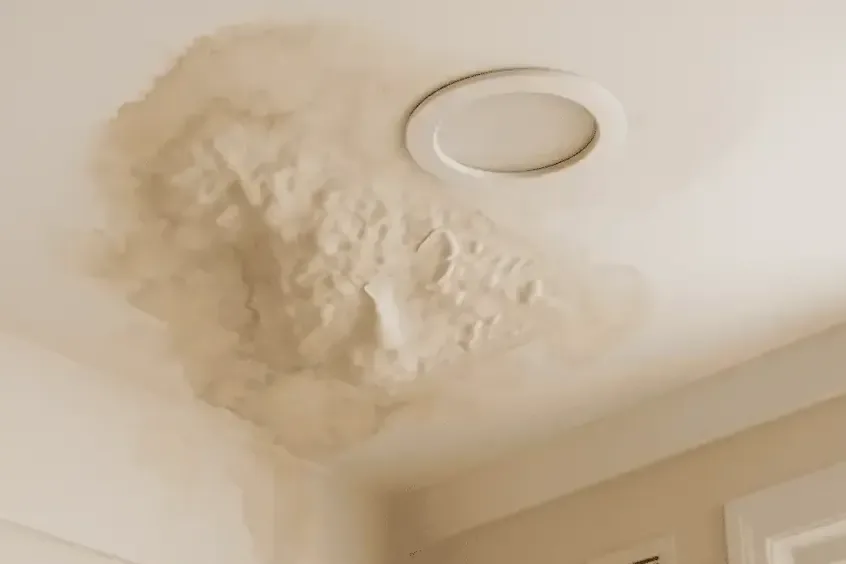 Ceiling Leak Water DamageUpstairs bathroom and supply leaks traced through the ceiling, with drywall opened only where readings call for it.See how it is handled
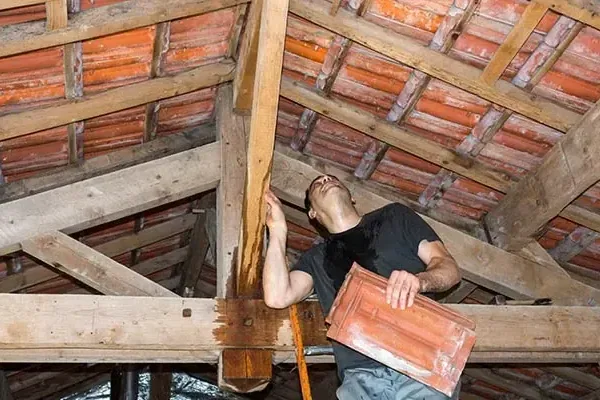 Roof Leak Water DamageStorm leaks at flashing, vents and gutters, with wet attic insulation removed and the ceilings below dried.See how it is handled
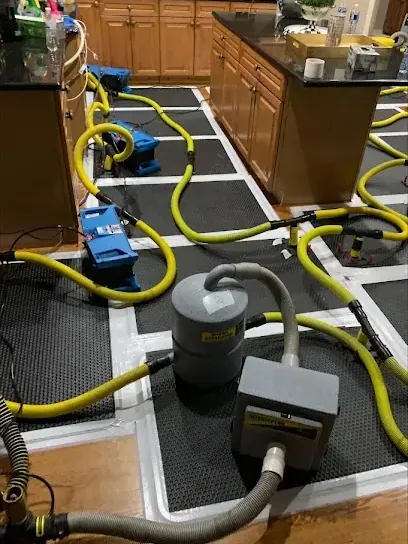 Structural Drying and DehumidificationFraming, subfloor and concrete dried with air movers and LGR units until each material matches a dry reference.See how it is handled
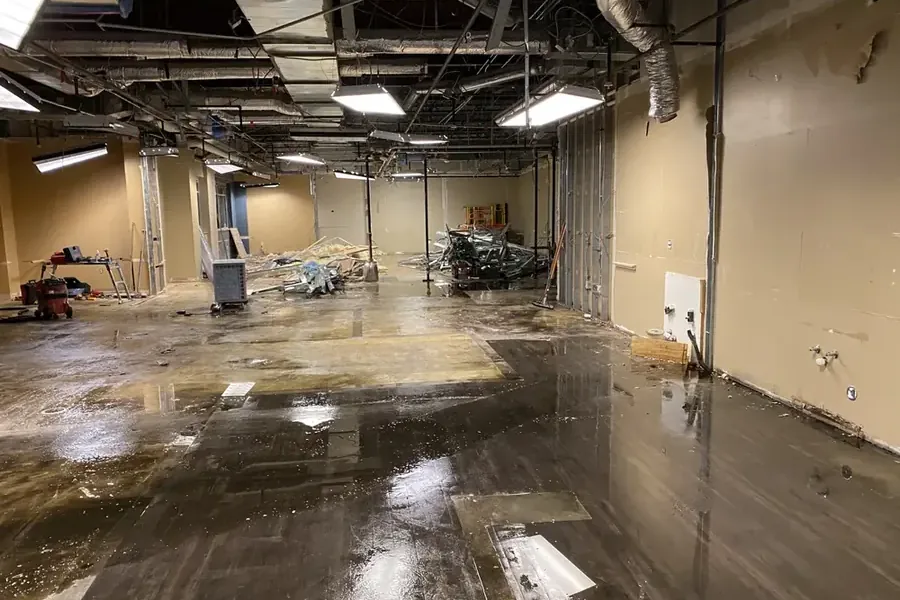 Commercial Water DamageRetail, office and warehouse water losses dried in phases around shifts, deliveries and opening hours.See how it is handled
What to do the moment water starts spreading
Find the main shutoff
Close the main valve where the water supply enters the house, then open a low faucet to drain the lines.
Switch off power safely
Flip breakers for wet rooms only while standing on a dry floor in front of a dry panel.
Treat backups as sewage
Water from a toilet, tub or cleanout backup is contaminated, so keep children and pets well away.
Document before cleanup
Take timestamped photos and video of each wet room and damaged item before anything is moved or thrown out.
Raise belongings, then call
Lift rugs, furniture legs and boxes off the floor; mold can start within 24 to 48 hours.
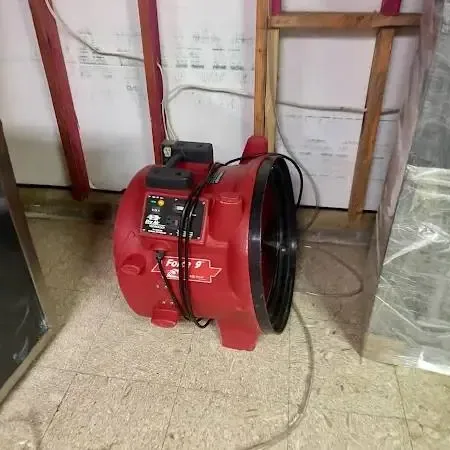
Tools on a structural drying job
- Truck-mounted extraction units
- LGR dehumidifiers
- Desiccant dehumidifiers
- High-velocity air movers
- Thermal imaging
- Moisture meters and probes
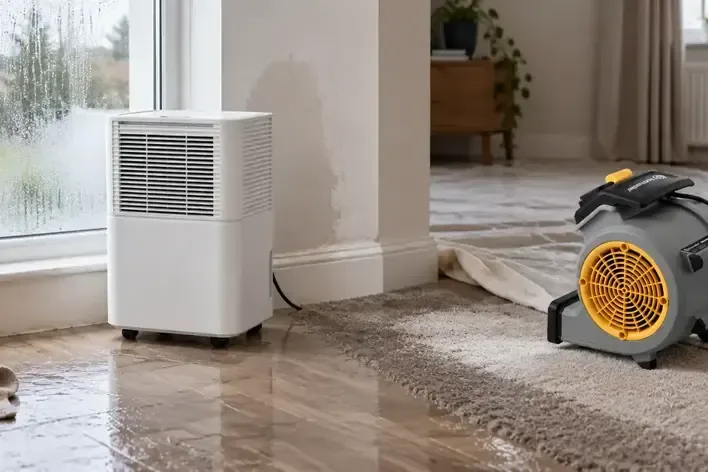
Structural drying held to the IICRC S500 standard
Surface drying leaves water in framing, drywall and concrete. Structural drying measures each material, runs the right equipment around the clock and stops only when the numbers reach a dry reference.
| Measure first | Before equipment arrives, the tech records moisture in floors, walls and cabinets with meters and a thermal camera. |
|---|---|
| Remove the water | The extraction crew clears standing water and wrings out carpet and pad, cutting days off the drying schedule. |
| Set the drying chamber | Air movers sweep wet surfaces while LGR dehumidifiers pull the released moisture out of the room. |
| Prove it is dry | Readings are logged every day until each material sits within 2 to 4 points of its dry reference. |
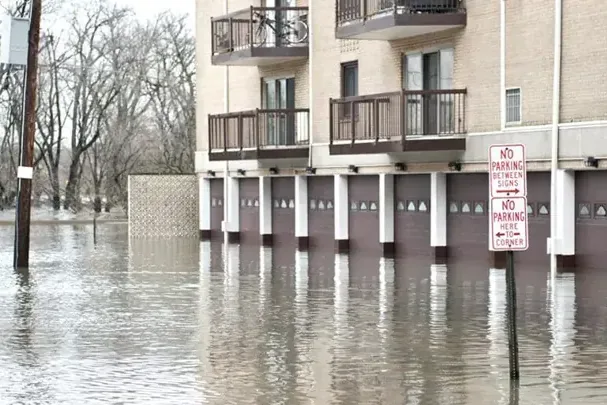
Winter storms and the Santa Ana River edge
Most of the rain here falls in winter and early spring, often arriving in a few heavy storms close together. The Santa Ana River runs along the southern edge of the city.
- Regional history: San Bernardino County ranks the flood of December 1861 into January 1862 as by far the greatest on record in the Santa Ana River Basin.
- Two more great floods hit the basin about a month apart in January and February 1969; those regional records do not name this city.
- Storm water that comes in from outside counts as Category 3, so soaked carpet, pad and drywall bottoms come out.
What separates a full dry-out from fans and guesswork
The goal is a house that measures dry, not one that only looks dry, with records an adjuster can check line by line.
Response at any hour
Crews head out nights, weekends and holidays to homes between Hellman Avenue and Interstate 15.
Standard-based drying
Every step follows the IICRC S500, from the water category call to the final reading.
Records for the adjuster
Moisture maps, daily psychrometric logs and timestamped photos build a claim file that is easy to follow.
Newer-home know-how
Supply lines run hidden through walls and ceilings, so thermal imaging and wall cavity drying are standard tools.
Clean, gray and black water get different treatment
The water category decides what can be saved.
Category 1, clean
Supply lines, water heaters and slab leaks. Usually dried in place if drying begins quickly.
Slab leak water damageCategory 2, gray
Washer discharge, dishwasher overflow and condensate. Wet pad and drywall bottoms are cleaned or cut out.
AC condensate leak cleanupCategory 3, black
Sewage and storm water from outside. Anything porous it touched is removed instead of dried.
Sewage backup cleanupWhat does water damage restoration cost in Eastvale, CA?
Water damage restoration here typically runs $1,200 to $15,000 or more. The water category, the wet square footage, the material class and how quickly drying began set the number, and sewage or outside storm water costs the most.
| Type of loss | Typical range | What usually drives it |
|---|---|---|
| Single room, clean water | $1,200 to $2,800 | one or two rooms, dried in place, readings every day |
| Several rooms or a slab leak | $2,600 to $15,000 | flooring lifted, LGR or desiccant units, wall bottoms vented |
| Sewage or storm water | $12,000 to $24,000+ | Category 3 protocol, HEPA air scrubbing, porous materials out |
Ranges, not a quote. For a planning figure before the crew arrives, try the water damage cost calculator first.
What goes into a strong water claim file
Adjusters decide water claims on documentation, not on the first phone call. A complete file from the restoration contractor includes:
- A moisture map drawn on the first visit
- Psychrometric logs and readings for every drying day
- Timestamped photos taken before demolition starts
- The water category and class of the loss
- A line-item scope adjusters can match to the work
Sudden leak versus flood
A burst supply line or a failed water heater is usually handled as a sudden and accidental loss. Storm water rising from outside counts as flood, which standard homeowners policies often exclude.
Sewer backup coverage is often an add-on endorsement. Policies differ, so check your own policy and insurer before the rebuild begins.
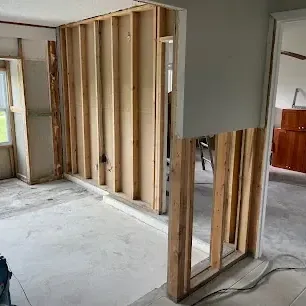
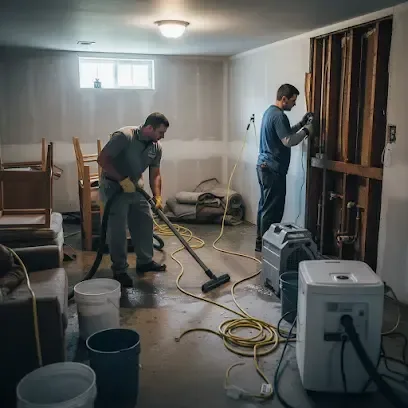
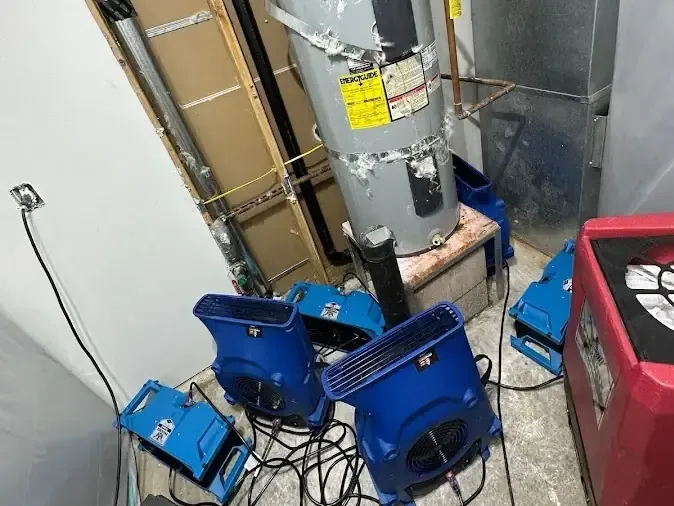
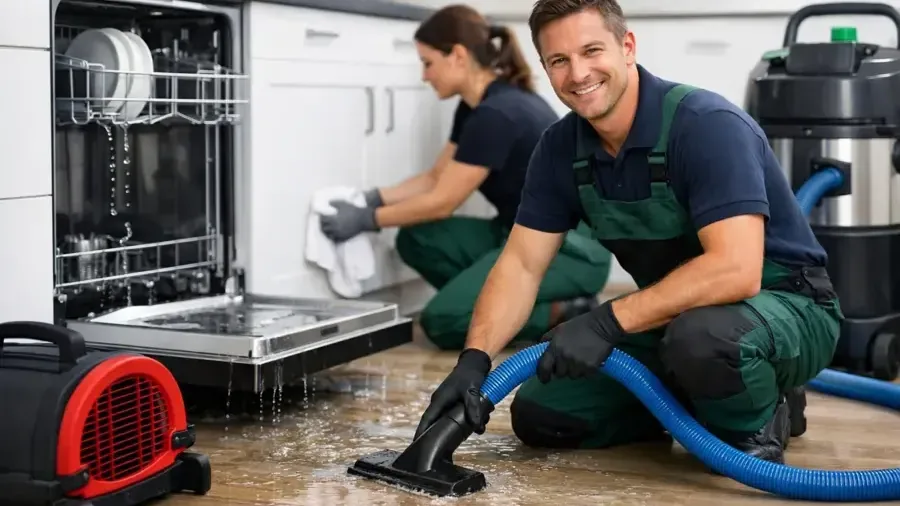
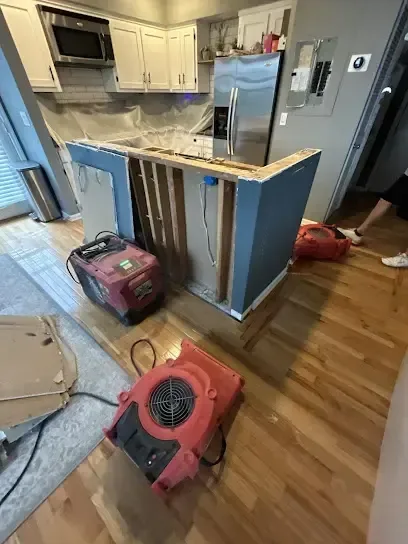
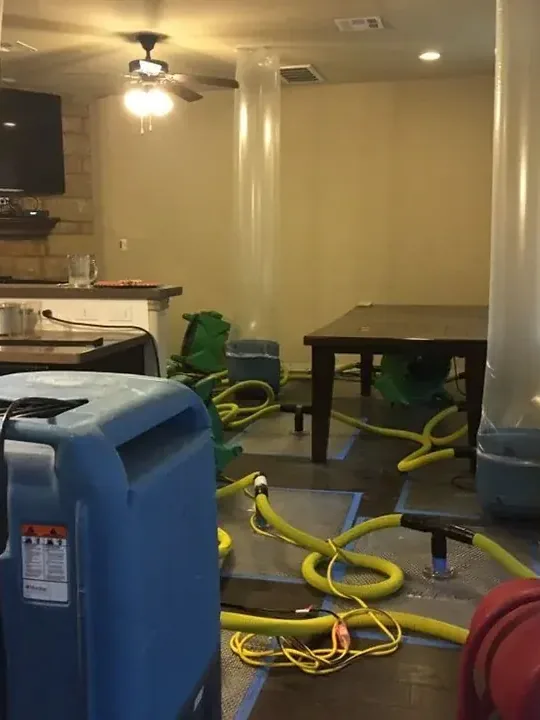
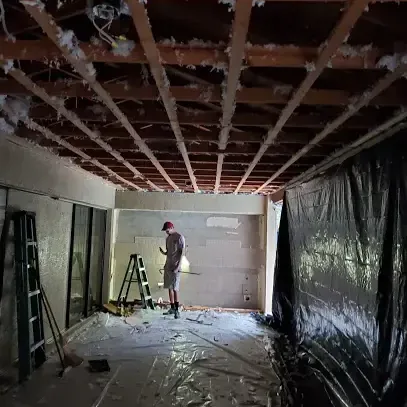
Inside a water damage restoration job
Water damage restoration across ZIP 92880 and 91752
The restoration crew covers ZIP codes 92880 and 91752, which often carry Corona and Mira Loma mailing addresses, from Hellman Avenue to Interstate 15 and the Santa Ana River.
A single call sends a drying crew out at any hour
Describe what is wet and where the water started: a supply line, the water heater, an appliance, the ceiling or a storm. The response team loads extraction and drying gear for that job before heading out.
(888) 578-6508Send a crew to 92880 or 91752Water damage in Eastvale, CA: the local risk profile
Dairy farms and farmland until the late 1990s, a city since October 1, 2010, and 69,757 residents by the 2020 Census: most homes here are young, busy and single-family.
- Aging original fixtures. With 74.7 percent of homes built from 2000 to 2009, many original water heaters, washer hoses and supply valves have reached the age when they tend to fail.
- Busy households. Households averaged 3.93 people in the 2010 Census, so washers, dishwashers and showers run hard, and one failed hose can flood a room fast.
- Summer cooling. Summer afternoons often pass 100 degrees, so air conditioning runs for weeks and condensate pans and drain lines carry a heavy workload.
- Storm season. Most rain falls in winter and early spring, and the first heavy storm after the dry months tests roofs, gutters and door thresholds.
- Frost nights. Winter lows can drop cold enough for frost, enough to split a hose bib or an outdoor line left full of water.
January 14, 2005: Regionally, after days of heavy rain, water seeped through an earthen extension at Prado Dam on the Santa Ana River, and over 3,000 residents downriver were evacuated.
Water damage questions from Eastvale homeowners
Water in the house right now? Say what is wet, where the water came from and how long it has been sitting, and the drying team sizes the equipment for it.
(888) 578-6508Ask about drying a 2000s homeHow quickly can a crew reach a water loss here?
Dispatch runs 24/7 across ZIP 92880 and 91752, and active water is handled as urgent at any hour. Every hour water sits, it moves deeper into pad, drywall and framing, so calling early limits how much has to be removed.
Why do supply lines and water heaters fail in newer homes?
Most homes here date from 2000 to 2009, so original tank water heaters, washer hoses and shutoff valves are now old enough to wear out. A slow drip can turn into a burst once full supply pressure finds the weak spot; burst pipe and supply line cleanup starts with extraction.
What should I do before the restoration crew arrives?
Close the main valve, switch off breakers for wet rooms if the panel is dry, keep everyone away from sewage, take photos of every wet area and lift rugs, cords and furniture off the floor so the water can be extracted cleanly.
Does homeowners insurance in California cover water damage?
A sudden leak, such as a burst line or a failed tank, is often handled differently from storm flooding or a sewer backup, which may need flood coverage or an endorsement. Check your own policy and insurer before repairs begin.
How long does a dry-out usually take?
Most clean water losses in one or two rooms dry in three to five days. Concrete, hardwood and cabinets take longer, and structural drying equipment is removed only when readings reach the goal, not on a calendar date.
What does IICRC S500 mean on a water job?
It is the published standard for professional water damage restoration. It sets how water is classified, how drying equipment is sized and placed, and how a structure is confirmed dry before the job is closed out.
Will the drywall have to be cut out?
Not always. Clean water caught early can often be dried inside the wall with small vent holes and directed air. Drywall soaked by sewage or outside storm water, or left wet for days, is cut out above the highest wet reading, as on a slab leak dry-out.
Why is a sewage backup treated so differently?
Sewage is Category 3 from the first minute. The crew works in protective gear, removes porous materials it touched, cleans hard surfaces and applies an EPA-registered antimicrobial for its full label dwell time before drying starts.
Can warehouses and stores get phased drying?
Yes. Large retail, office and distribution buildings are dried in sections behind plastic containment, so the rest of the floor can keep operating while extraction and drying equipment run in the wet zone.
How is the price of a water damage job worked out?
The scope is built from the water category, the wet square footage, the material class and how long the water sat. Extraction, removal, equipment days and any antimicrobial work are listed line by line so the adjuster can follow every charge.
Water on the floor, behind a wall or through the ceiling right now?
The response team removes the water, dries the structure to the IICRC S500 standard and records every reading.