Water Damage Restoration Fontana, CA
Burst pipes, overflowing AC drains, roof leaks and backed up sewers leave wet drywall and floors that need drying fast. The restoration team extracts the water, dries the structure and logs every reading along the way.
(888) 578-6508Wet floor or ceiling? Call the crew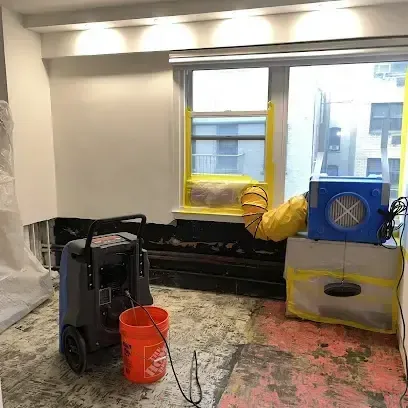
Pipes, air conditioners and roofs cause most wet ceilings and floors
Summer highs often well over 100 degrees keep air conditioners working hard, while rain falls in a short winter burst after dry months.
Failing supply pipes
January nights average about 46 degrees, so a burst pipe here is more often a worn fitting or a pressure problem than a freeze.
Burst pipe water cleanupOverflowing AC drains
Condensate backs up when a drain clogs, then spills into ceilings and closets. Long hot summers give that drain plenty of work.
AC overflow cleanupRoofs in the first storms
Rain falls mostly from January to March, and Santa Ana winds loosen weak spots first, so the first storm often exposes them.
Roof leak drying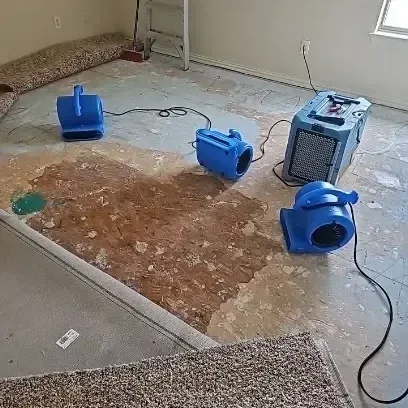
Every kind of water loss, handled its own way
Each service below has its own page covering scope, cost ranges and the drying steps involved. Pick the one that matches what is wet, or describe the loss and the crew will sort it out.
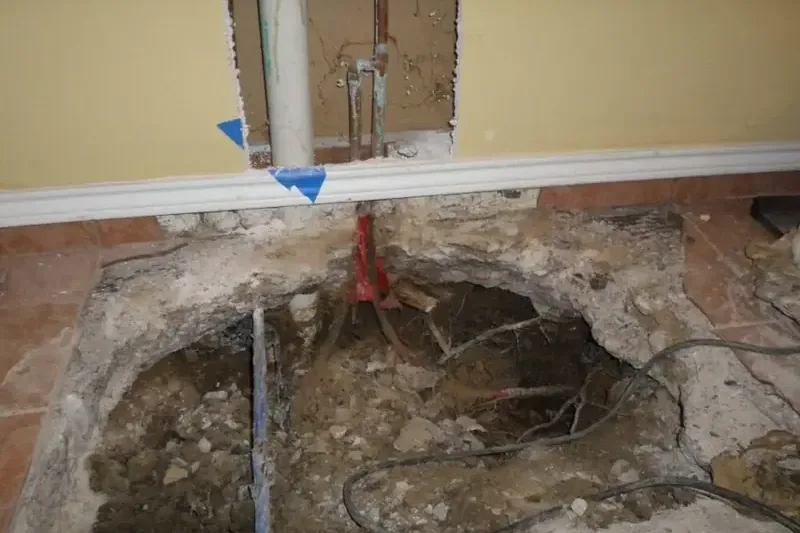 Slab Leak Water DamageLeaks in supply pipes under a concrete floor are traced and dried before damp flooring or a climbing water bill gets worse.See how it is handled
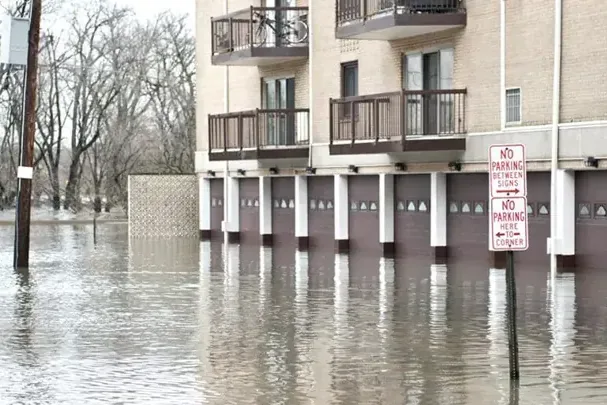
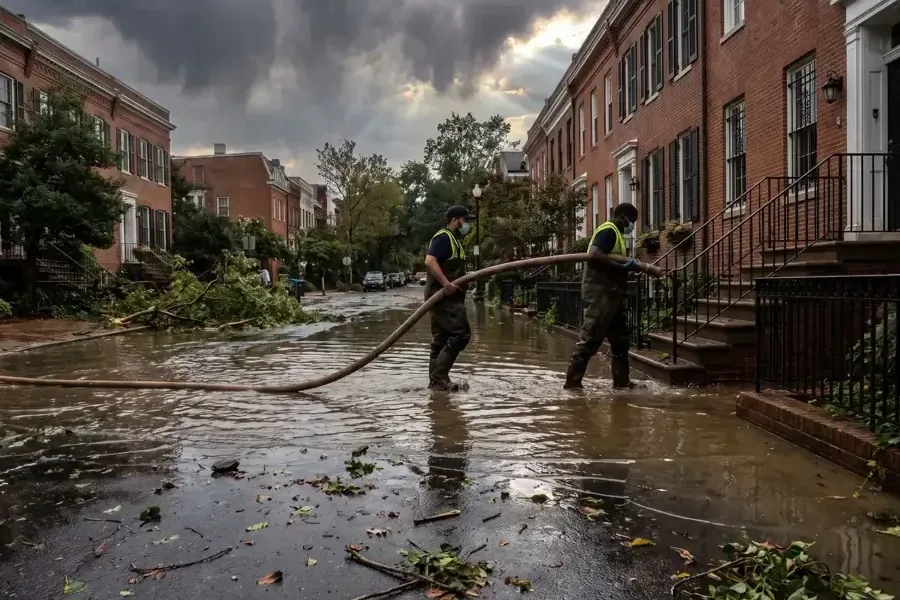 Storm Runoff and Flood CleanupRunoff that comes in after heavy rain is treated as contaminated, pumped out, cleaned and dried back to safe readings.See how it is handled
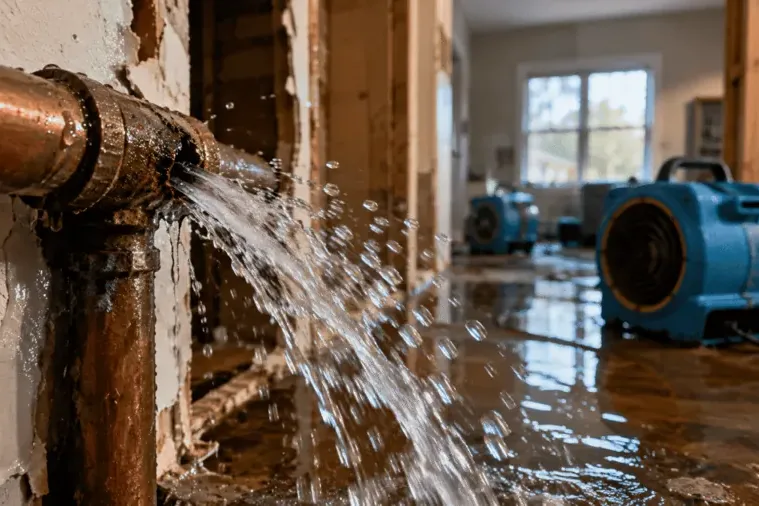 Burst Pipe and Supply Line LeaksSplit supply pipes and failed fittings are shut off at the source, then the wet walls and floors are opened and dried.See how it is handled
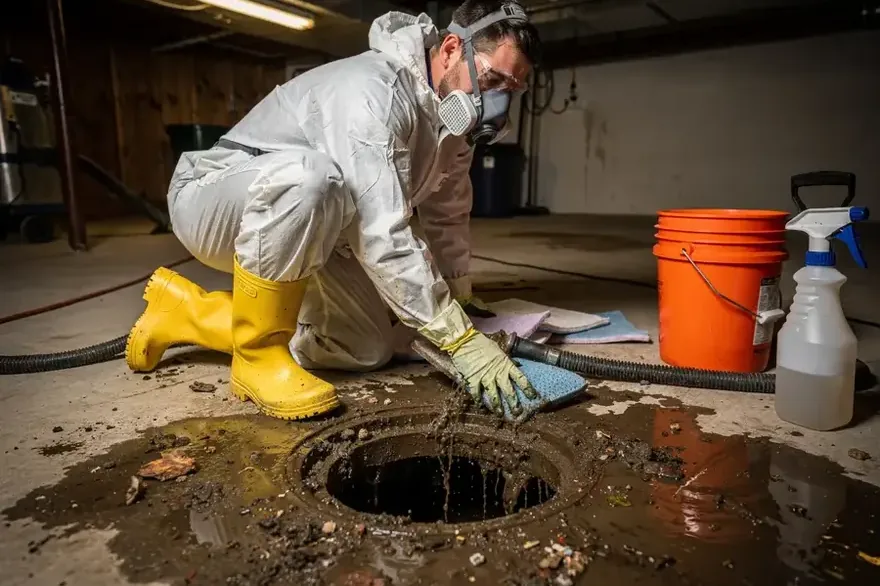 Sewage Backup CleanupDrains that back up into tubs and floors are handled with protective gear, containment and a full sanitizing pass.See how it is handled
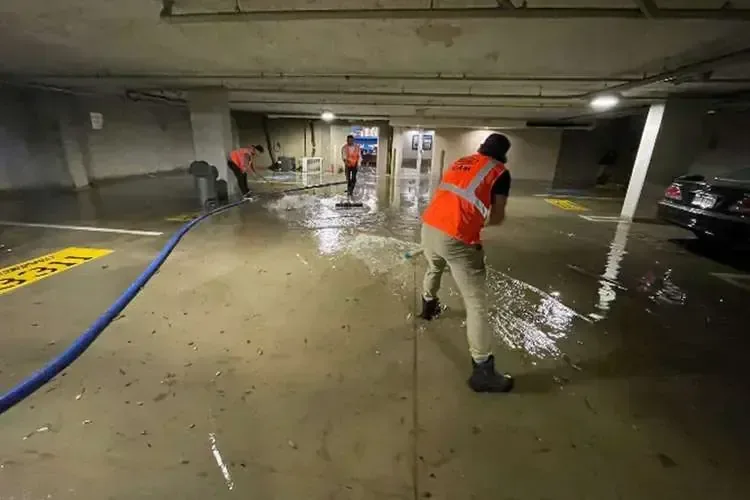 Water Extraction and RemovalStanding water is pulled from carpet, tile and hardwood before moisture climbs into baseboards and drywall.See how it is handled
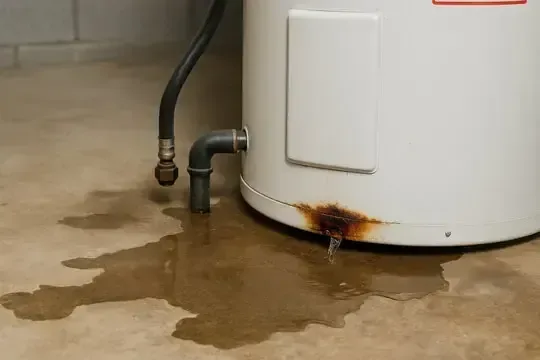 Water Heater Leak CleanupA failed tank in a garage or closet releases a full load of water, and units below can take some of it too.See how it is handled
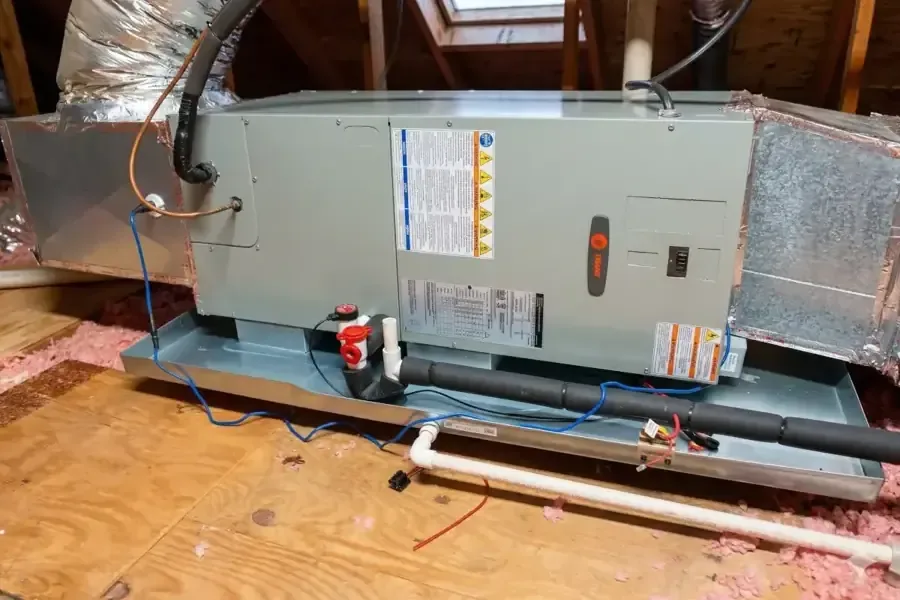 AC Condensate Leak CleanupClogged drains and overflowing pans soak ceilings and closets, so wet insulation and drywall are dried out.See how it is handled
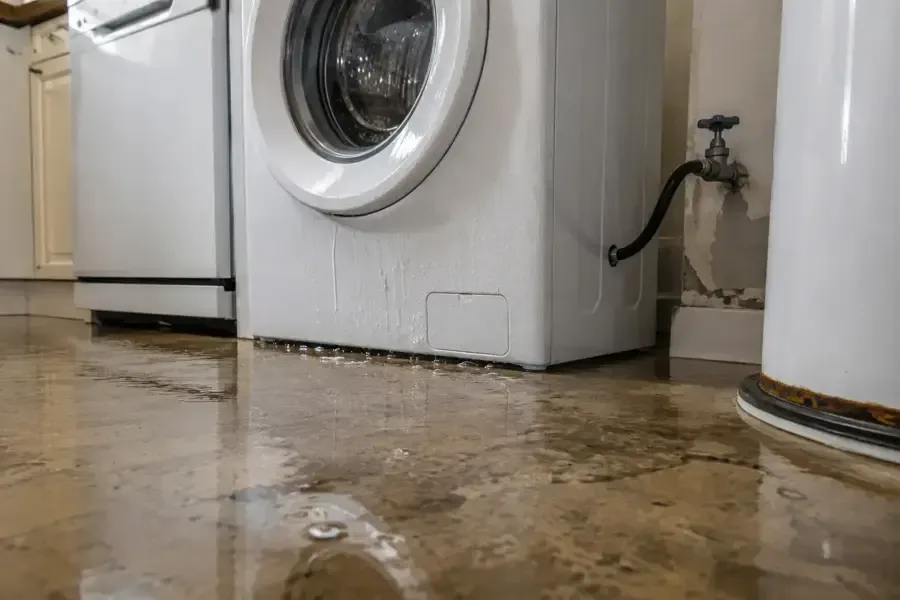 Appliance and Supply Hose LeaksWasher hoses, dishwashers and ice makers leak into cabinets and floors, and sometimes into the home next door.See how it is handled
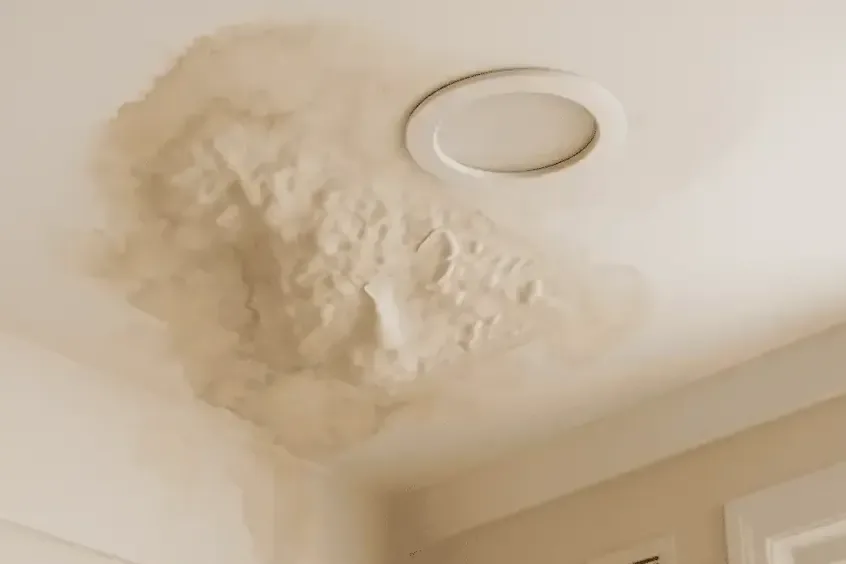 Ceiling Leak Water DamageStains and sagging ceilings are traced to the roof, an AC drain or the unit above before anything is closed up.See how it is handled
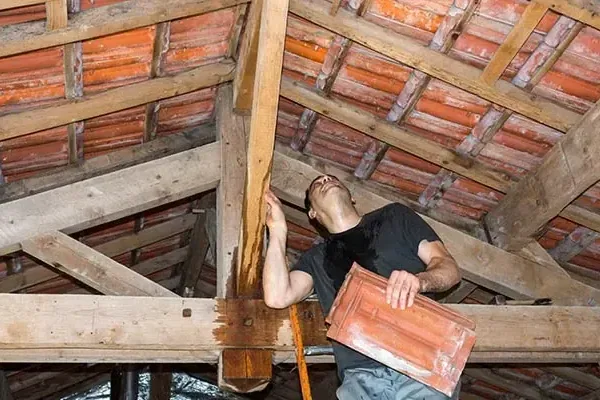 Roof Leak Water DamageAttic insulation and ceilings soaked through roof openings are dried in place after the first heavy storms.See how it is handled
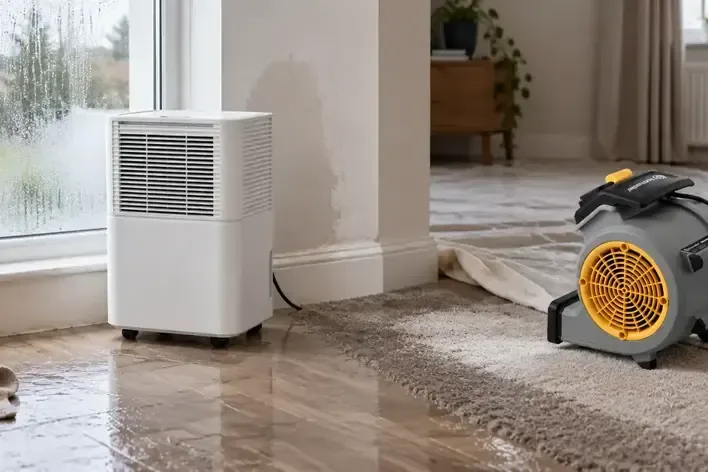
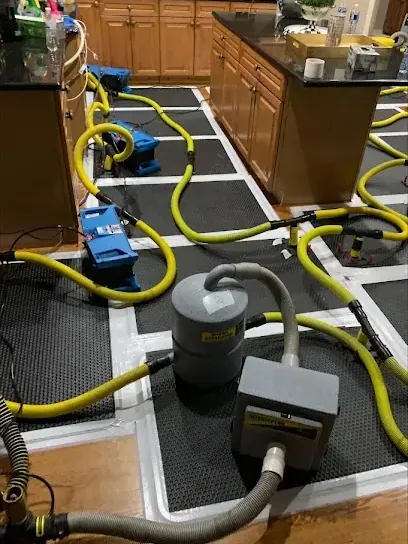 Structural Drying and DehumidificationDehumidifiers and air movers keep running until readings on framing, subfloor and drywall match dry reference points.See how it is handled
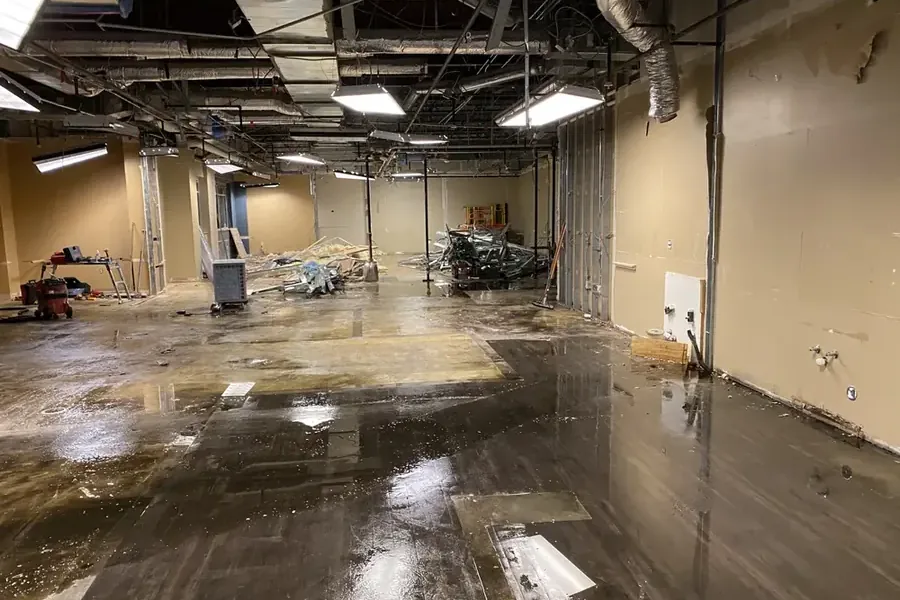 Commercial Water DamageShops, clinics and warehouses are dried in phases so the business can keep working around the equipment.See how it is handled
What to do while the crew gets organized
Stop the water
Close the main or fixture valve. For roof or drain sources, contain what you can with towels and buckets.
Cut power near wet areas
Switch off breakers for wet rooms when outlets sit near the water, and never touch cords standing in it.
Lift the small stuff
Move shoes, paper, electronics and rugs onto dry surfaces. Heavy furniture can stay where it is for now.
Photograph everything
Take wide and close photos of the damage and the source before anything gets wiped up, tossed or repaired.
Open the room up
Open cabinet doors and closets so air reaches wet surfaces, then describe the loss to the response team.
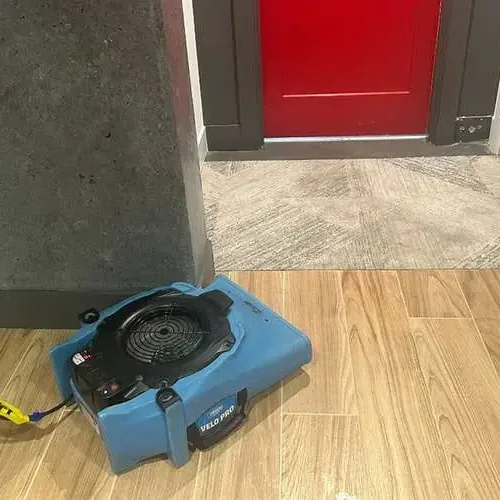
Equipment on a typical job
- Air movers
- LGR dehumidifiers
- Moisture meters
- Thermal camera
- Floor drying mats
- Air scrubbers
Equipment stays until the readings say dry
Wet drywall, subfloor and framing can feel dry long before they are. The drying team keeps air movers and dehumidifiers running, then checks meters at each visit instead of guessing.
| Water removed | Extraction units pull standing water from carpet, tile and wood, which stops it wicking into baseboards and walls. |
|---|---|
| Wet areas mapped | Meters and a thermal camera show where moisture hides behind paint, under flooring and inside cabinets. |
| Air and heat controlled | Dehumidifiers pull moisture from the air while air movers push dry air across wet surfaces. |
| Dry points confirmed | Final readings are compared with dry reference points before any equipment leaves the property. |
Where heavy rain goes when it leaves the street
Most of the city sits on a gently sloping alluvial fan built by Lytle Creek, with Etiwanda Creek sediments along the western edge. After heavy rain, runoff follows that slope toward drains and channels.
- The West Fontana Channel was created in the 1970s after county flooding in 1969, and overflow from the undersized channel has damaged nearby properties and infrastructure.
- The City added $2 million for a storm drain meeting the channel, aimed at flooding around Orange Way and Cypress Avenue.
- Sandbags and sand are handed out at designated City locations, which helps at the door. Water that gets inside needs extraction and drying.
What a careful dry out includes
Water damage jobs go wrong when drying stops too early or the source is never found. These habits keep the work honest.
Readings, not guesses
Meters and a thermal camera map every wet surface, and equipment stays until framing and subfloor read dry.
Source found first
The leak, overflow or backup is located and stopped, otherwise the drying never really ends.
Photos before demolition
Wide and close photos are taken before anything is removed, which gives an adjuster a clear record.
Plain written scope
Each room and material is listed with the work planned, so costs match what was actually wet.
The source of the water decides the cleanup
Clean, gray and black water each call for a different response.
Clean supply water
A split pipe or failed tank starts clean, but it turns worse the longer drywall and pad stay wet.
Water heater leaksGray appliance water
Washers, dishwashers and ice makers release water carrying soap and food residue that needs cleaning too.
Appliance leak cleanupBlack water and runoff
Sewage and storm runoff carry bacteria, so porous materials come out and the area is sanitized.
Sewage backup cleanupWhat water damage restoration tends to cost
Small losses caught early often stay near the low end, while jobs that ran for hours or reached several rooms climb steadily. Price follows square footage, the water type, the materials involved and how long the water sat, and estimates are built room by room.
| Type of loss | Typical range | What usually drives it |
|---|---|---|
| Small and caught early | $1,200 to $2,800 | Just one room, Clean water source, Quick extraction done |
| Several rooms, longer exposure | $2,600 to $15,000 | Walls opened up, More drying equipment, Several days drying |
| Large or contaminated | $12,000 to $24,000+ | Whole floor wet, Sewage or runoff, Contents and structure |
Ranges describe typical jobs only. A written scope after moisture readings sets the real figure, and the cost calculator gives a quick starting estimate.
Records that support the claim
An adjuster works from evidence, so the first day of records matters more than any later explanation of what happened.
- Photos of the damage before cleanup
- The source of the water, if visible
- Daily moisture readings from the crew
- A list of damaged contents and materials
- Receipts for any emergency purchases
What an owner can do first
Shutting off the water, moving small valuables and opening cabinet doors all help, and none of it needs equipment. Photographs should come before anything is wiped up or thrown out.
Skip the shop vacuum and the bare feet when water looks dark or smells foul, because sewage and runoff call for protective gear. Waiting for the crew costs less than a health problem.
What drying and extraction work looks like
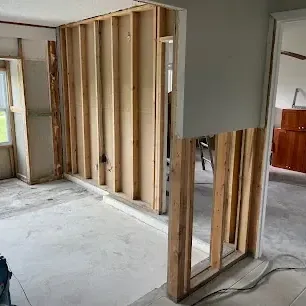
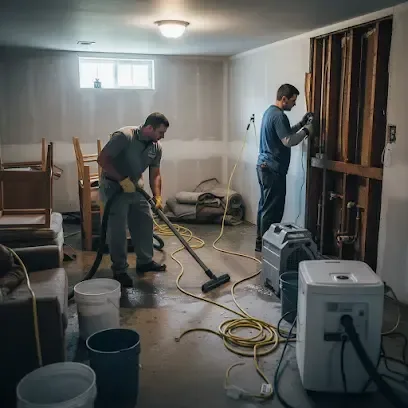
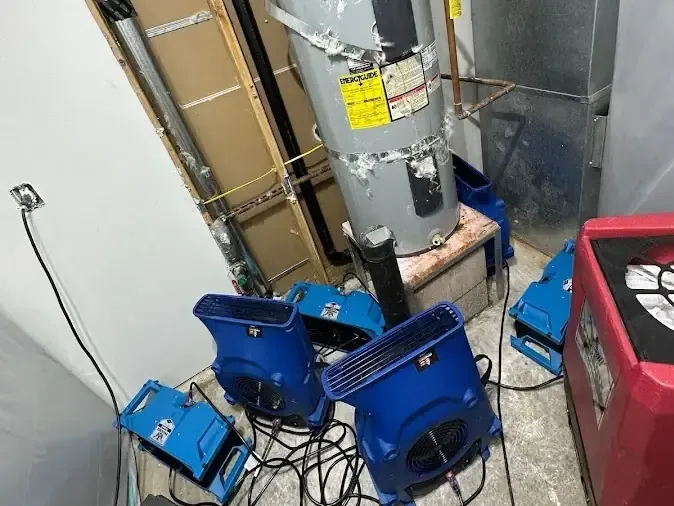
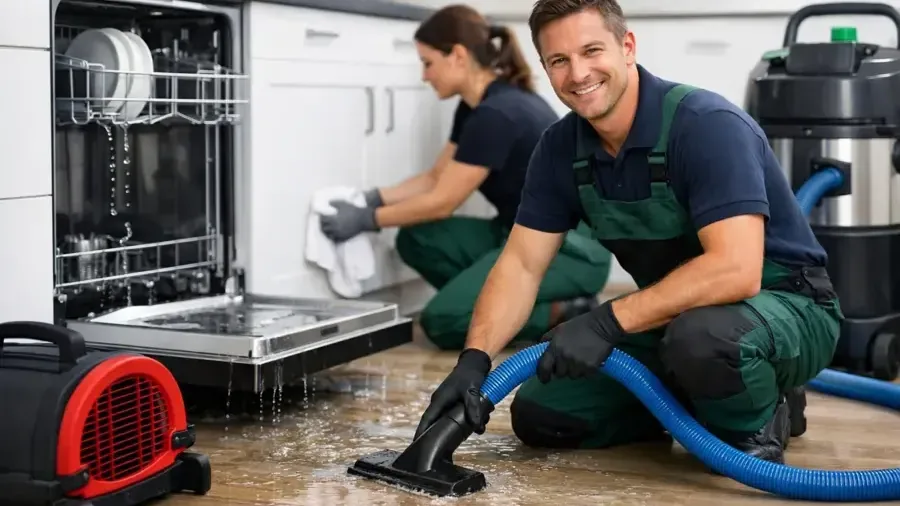
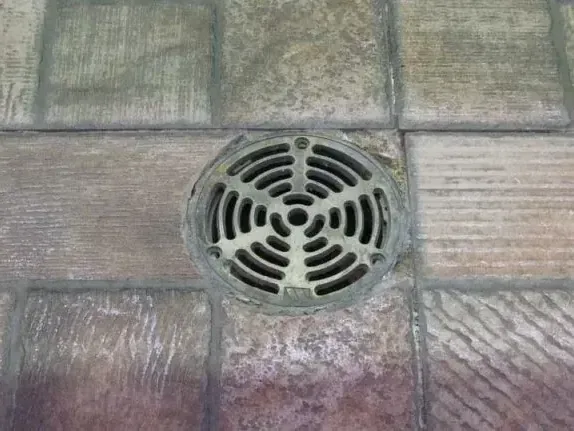
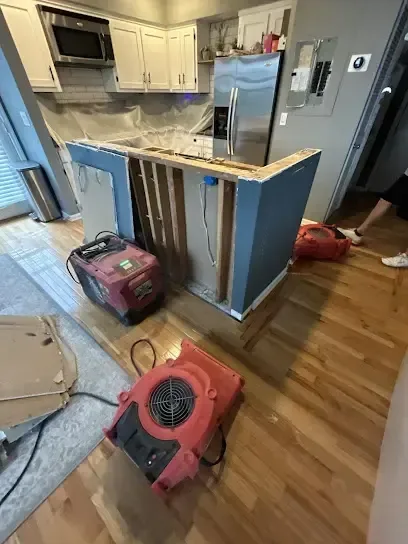
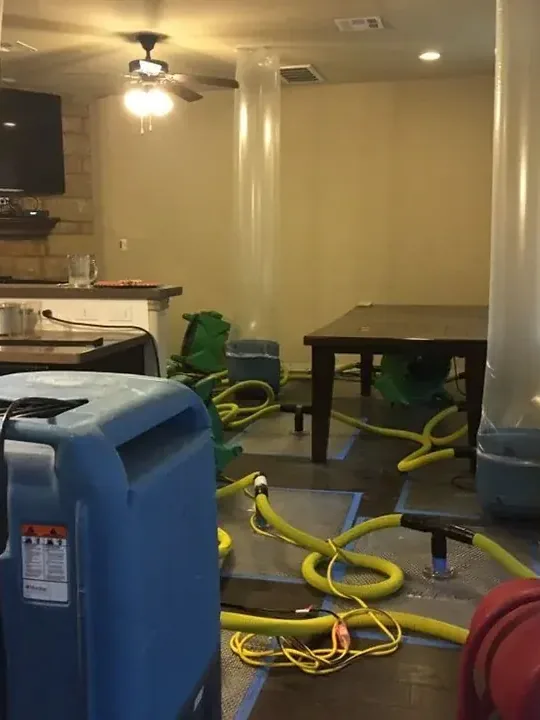
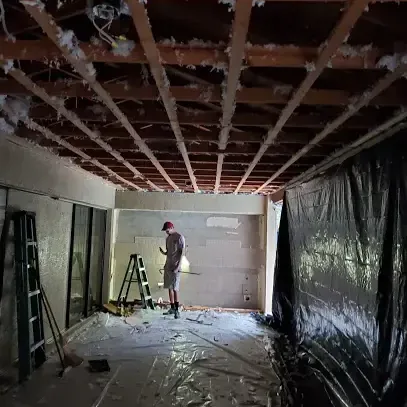
Water damage restoration across Fontana
Established tracts in south Fontana, newer communities in the north and northwest, and businesses along the major corridors all fall inside the service area.
Houses, townhomes and commercial sites
Local real estate listings name communities such as Southridge Village, California Landings, Summit at Rosena and Arboretum, and the service area covers their houses and townhomes as well as shops, clinics and warehouses on the main corridors.
(888) 578-6508Describe the loss and get a planWhat the climate and the channels mean for homes
Fontana gets about 14.77 inches of rain a year, most of it in a short winter stretch, so many problems here start indoors with plumbing or air conditioning.
- Dry months, wet buildings. June and July are almost dry, so a wet structure here usually traces to plumbing, an air conditioning drain, a roof opening or a sewer event, not to humidity.
- Short winter rain. January, February and March each average about 3.5 inches of rain, so roofs, gutters and door thresholds get tested over just a few months.
- Santa Ana winds. Strong, hot and dry winds come through the Cajon Pass, and they can work loose roofing and flashing long before the rain returns.
- Channel overflow. The undersized West Fontana Channel has a history of overflowing, which makes runoff after heavy rain a real concern for some properties.
- Mixed housing. About a third of the 54,532 occupied homes are rented, and newer north communities include condominiums and townhomes, so one leak can reach a neighbor.
February 2019: Work began on rebuilding the West Fontana Channel with concrete lining, after years of overflow that damaged nearby properties and infrastructure and delays in funding.
Common water damage questions
Not sure what you are dealing with? Describe what is wet and where it started. The crew can explain the likely scope and what to do before any equipment is set up.
(888) 578-6508Talk through the damageHow soon does drying need to start?
Drying works best when it begins in the first day or two. After roughly 24 to 48 hours, wet drywall and framing can start growing mold, and flooring begins to cup or swell. Starting early also keeps the repair scope smaller.
What usually causes water damage in Fontana homes?
Hot summers push air conditioners hard, so clogged condensate drains overflow. Plumbing failures, roof leaks during the January to March storms and sewer backups round out the list.
Who is responsible when a sewer backs up?
The City of Fontana maintains sewer mains and service laterals up to the edge of the property, and the Inland Empire Utilities Agency provides sewage service. A backup is a reason to notify the City as well as arrange sewage backup cleanup.
Is storm runoff treated as clean water?
No. Runoff that comes through doors or garages picks up soil and bacteria, so it is handled as contaminated water. Porous materials that soaked it up often have to be removed.
Can a leak in one unit reach the unit below?
Yes. Newer north communities mix detached houses with condominiums and townhomes, and water follows ceilings, walls and shared floors. Documenting both units early helps the claim.
How much does water damage cleanup cost?
Typical jobs run from $1,200 to $2,800 for small losses caught early, up to $12,000 to $24,000+ for large or contaminated ones. A written scope after moisture readings sets the real figure.
How long does structural drying take?
Many jobs run several days. Dense materials such as concrete and thick framing take longer, so the crew checks readings at each visit and removes equipment only when they match dry reference points. Most of that work falls under structural drying.
Does insurance cover water damage?
That depends on the policy and on what caused the water. Sudden pipe failures are often treated differently from long running seepage, so photos, readings and a clear cause help the adjuster decide.
Are shops and warehouses handled too?
Yes. Commercial losses along Foothill Boulevard, Valley Boulevard and the industrial areas are dried in phases so the business can keep operating where possible. Fontana's economy leans on trucking and industrial uses, so plans are built around loading areas and working hours.
What should be moved before the crew starts?
Small valuables, paper, electronics and rugs. Heavy furniture can usually stay, and the crew blocks or lifts it so wet floors do not stain the furniture legs.
Water on the move? Get the drying started before it spreads
Describe the leak, the rooms involved and what is wet, and the crew will map out the extraction and drying plan.