Water Damage Restoration Monrovia, CA
Wet floors, soaked ceilings and sewage backups get a prompt, documented dry-out here at the foot of the San Gabriel Mountains. The restoration team removes the water, dries the structure and keeps readings and photos for the claim.
(888) 578-6508Get a foothill drying crew moving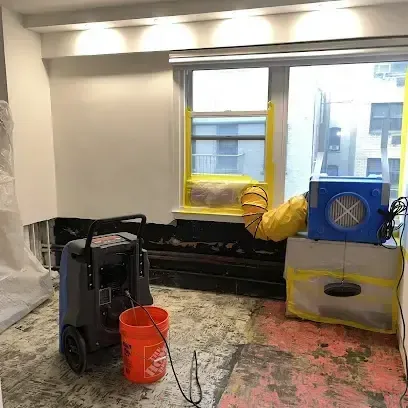
Three common ways water gets into foothill homes
Most losses here start inside the walls or overhead, and each dries differently. The first job is finding the source before wet material is opened.
Pipes inside the walls
A supply pipe that splits or a fitting that fails can soak a wall cavity and the floor below before anyone notices.
Burst pipe cleanup and dryingAppliances and hoses
A washing machine hose, dishwasher connection or refrigerator supply tube seeps for days, and the water hides under cabinets and flooring.
Appliance leak cleanupRoof and ceiling leaks
Heavy rain finds a gap in the roof, soaks the insulation and shows up later as a bulging stain on a ceiling.
Roof leak drying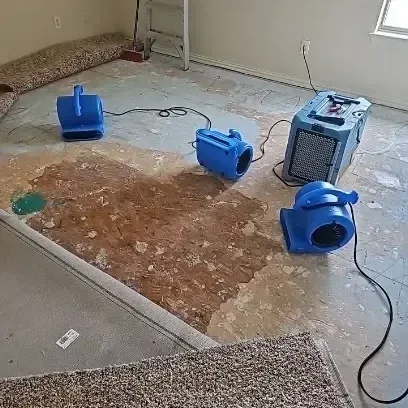
Twelve water damage services for local properties
Every type of loss is handled differently, from pressurized pipes to contaminated drain water. The crews work from the source through extraction, drying and a final moisture check.
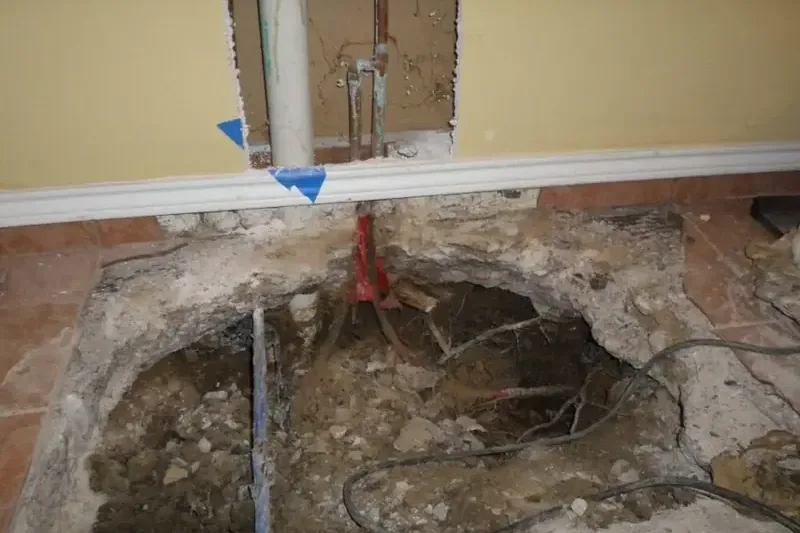 Slab Leak Water DamageA pressurized pipe leaking under the floor slab is traced, the flooring lifted and the concrete and wall bottoms dried.See how it is handled
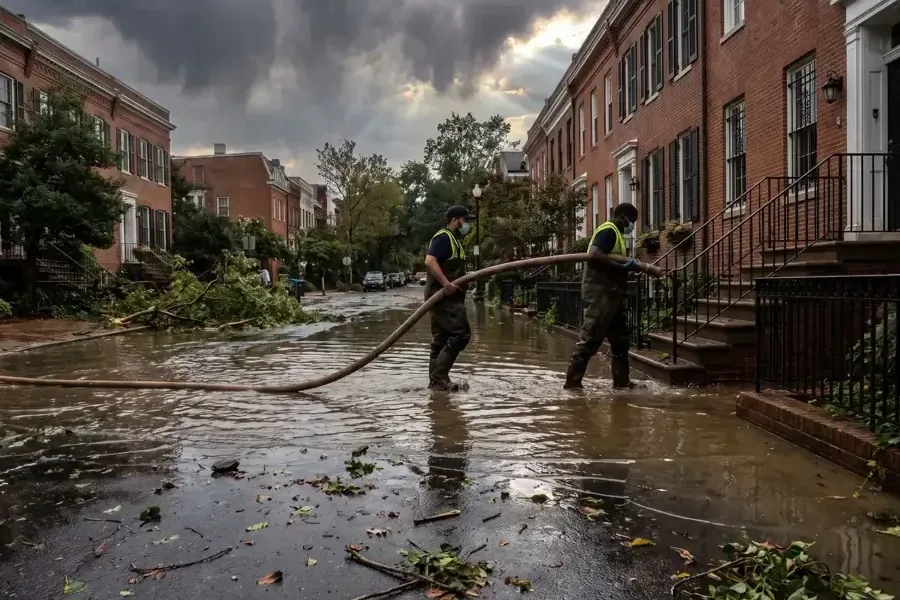 Storm Runoff and Flood CleanupStorm runoff and mud count as contaminated water, so it is pumped out, cleared and dried with protective gear.See how it is handled
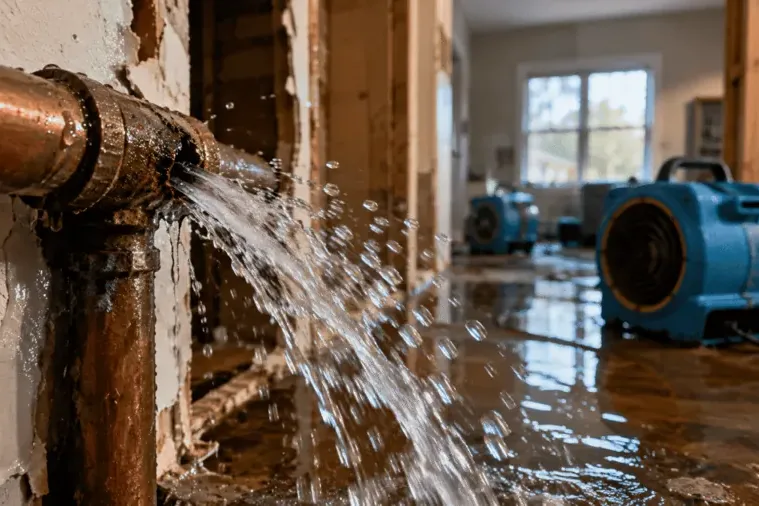 Burst Pipe and Supply Line LeaksA split supply pipe is shut off, the water extracted and the soaked walls and floors dried to normal readings.See how it is handled
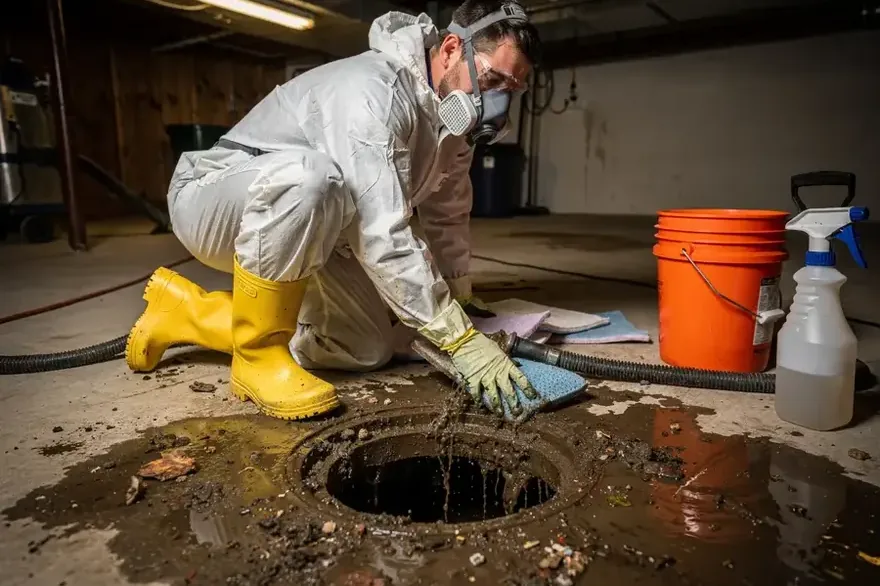 Sewage Backup CleanupSewage backups are cleaned in protective gear first, then the affected rooms are sanitized and dried.See how it is handled
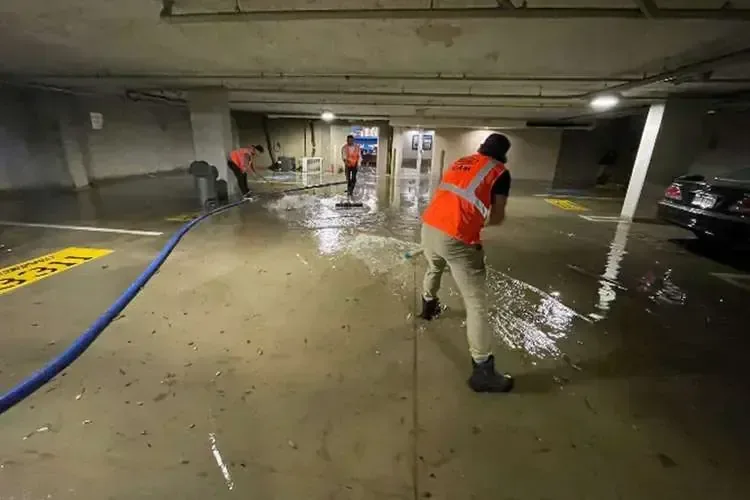 Water Extraction and RemovalStanding water is pulled out first with pumps and wands so drying can begin on the wet floors and walls.See how it is handled
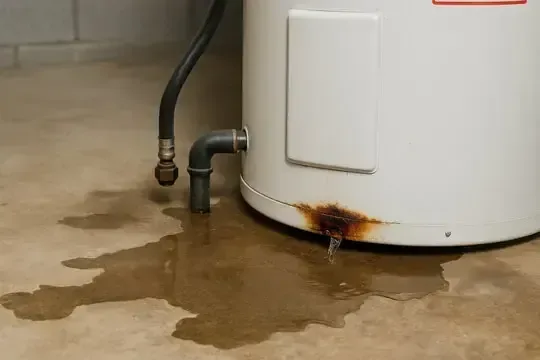 Water Heater Leak CleanupA leaking tank can soak a garage, closet or hallway, so the floor is extracted and the wet materials dried.See how it is handled
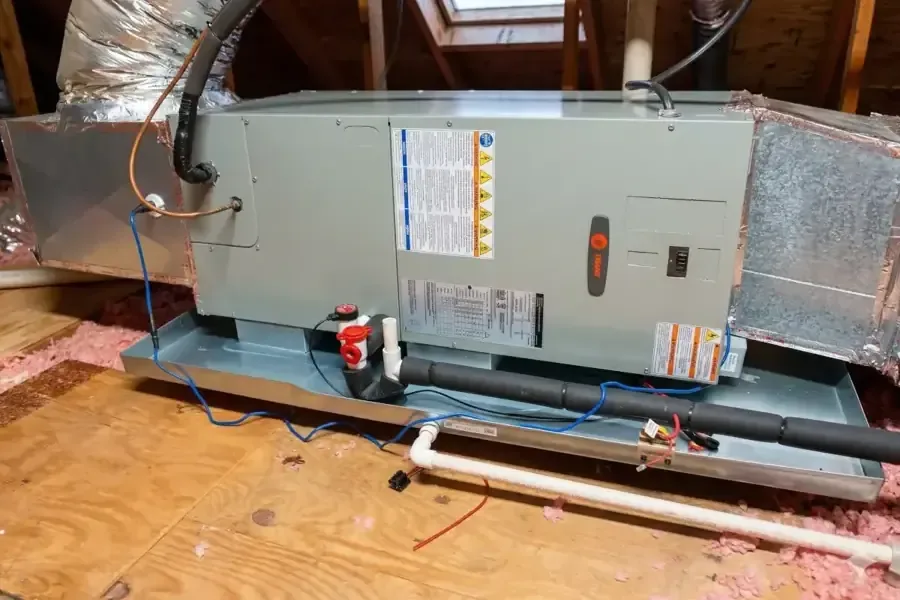 AC Condensate Leak CleanupA clogged condensate drain can drip into a ceiling, closet or wall, and the wet section is opened and dried.See how it is handled
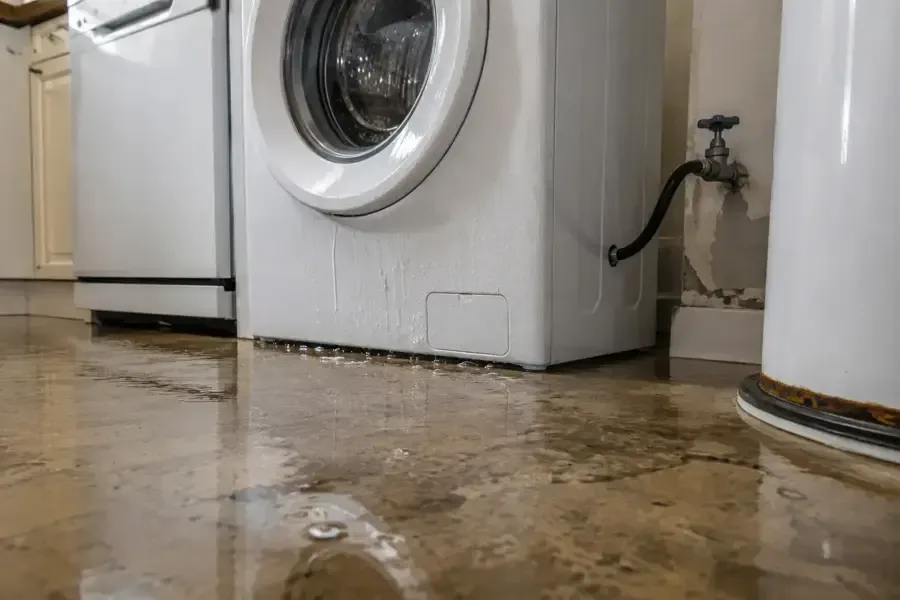 Appliance and Supply Hose LeaksWashing machine, dishwasher and refrigerator leaks are dried out, with readings and photos kept for tenant and landlord alike.See how it is handled
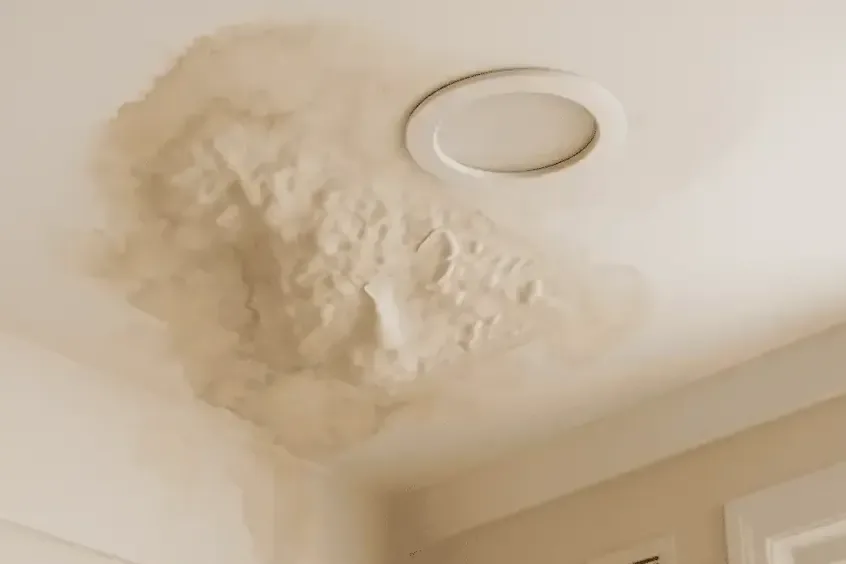 Ceiling Leak Water DamageThe source above is traced first, then the stained ceiling is opened, dried and checked before anything is closed.See how it is handled
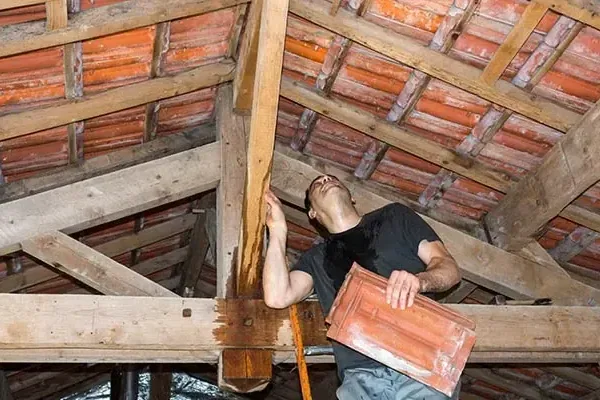 Roof Leak Water DamageA roof opening is traced, and the wet insulation, ceilings and walls below it are dried out.See how it is handled
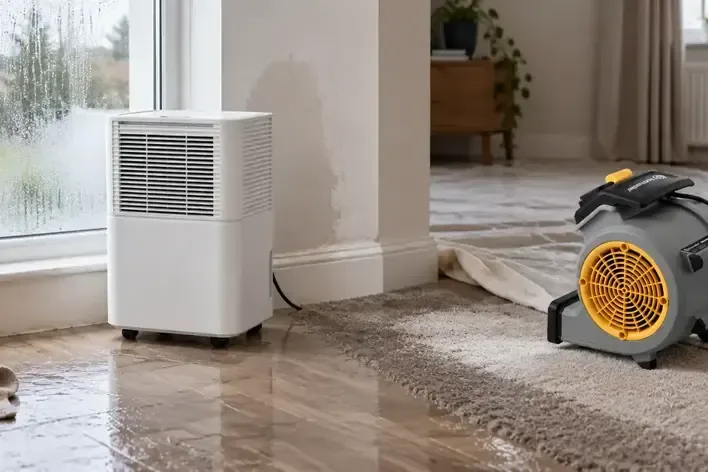
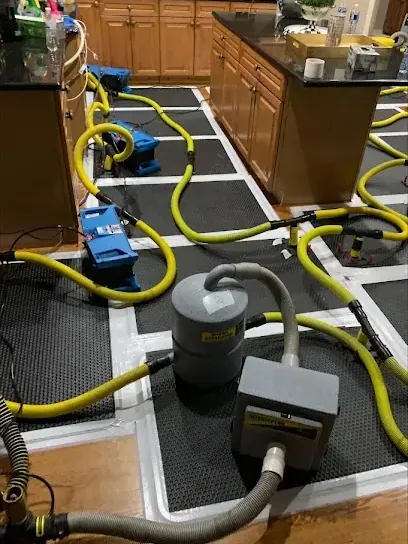 Structural Drying and DehumidificationAir movers and dehumidifiers dry the framing, wall cavities and subfloors until moisture readings return to normal.See how it is handled
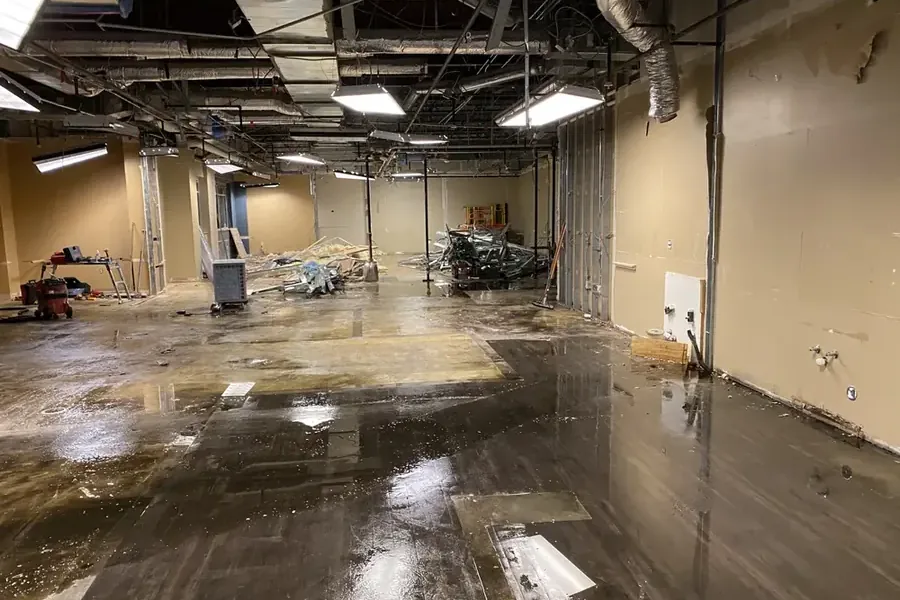 Commercial Water DamageShops and offices are dried in stages so a workplace or storefront can keep running during the dry-out.See how it is handled
What to do right after a leak
Stop the water
Shut the main valve or the fixture valve, and switch off power to wet areas only if the panel is dry and safe to reach.
Call for help
Reach the restoration crew right away so extraction starts before water settles into framing, subfloors and insulation.
Photograph the damage
Take clear photos of the source, the wet surfaces and any ruined belongings before anything is moved.
Clear small items
Lift small items and furniture off wet flooring, but leave soaked drywall and carpet for the crew to remove.
Avoid contaminated water
Stay out of any room with sewage or storm runoff, since that water carries bacteria and needs protective gear.
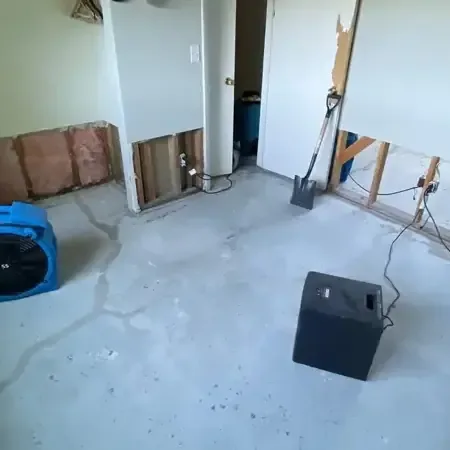
Equipment on a typical job
- Air movers
- Dehumidifiers
- Moisture meters
- Thermal imaging camera
- Drying mats
- HEPA air scrubbers
Drying that follows the readings, not the clock
Wet drywall, framing and subfloors hold moisture long after the surface looks dry. The drying team sets equipment, logs readings each visit and stops only when every material reaches its dry standard.
| Extract | Pumps and wands remove standing water, then carpet pad and soaked materials that cannot be saved are cut out and bagged. |
|---|---|
| Open and dry | Baseboards and lower drywall come off where needed so air can move through the wall cavity and across the subfloor. |
| Monitor | Moisture meters and a thermal camera track every wet material, and the equipment is adjusted at each visit. |
| Document | Final readings, photos and a written scope go to the homeowner, landlord or adjuster for the claim file. |
When heavy rain runs down from the mountains
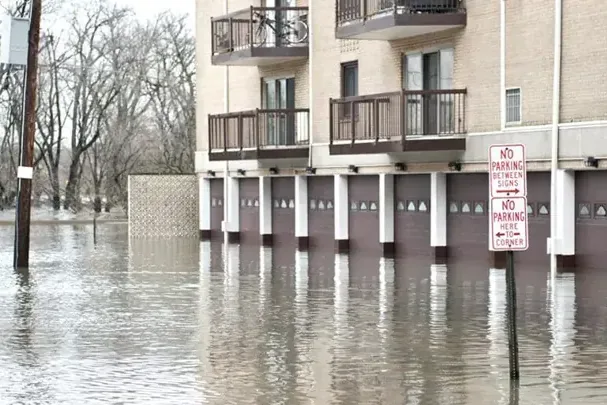
Monrovia sits against the San Gabriel Mountains, so a hard storm can send runoff, mud and debris downhill. Storm water counts as contaminated, which changes how it is removed and dried.
- Residents of Monrovia foothill neighborhoods braced for downpours that could cause flash flooding during Tropical Storm Kay.
- Los Angeles County Public Works and Flood Control cleared debris basins in the foothills in the months before the December 2021 storm, keeping capacity open.
- Runoff that does enter a building is treated as contaminated, so extraction, removal of wet porous materials and sanitizing come before drying.
Why fast drying protects the structure
Water keeps spreading into wood, drywall and insulation while a leak sits. Mold can start within 24 to 48 hours, so quick extraction limits the damage.
Standards-based drying
Technicians follow the IICRC S500 standard for water damage and log readings at every visit.
Real equipment
Commercial air movers, dehumidifiers and meters do the work, not borrowed fans and guesswork.
Records for claims
Moisture logs, photos and scope notes are kept ready for an adjuster, a landlord or a tenant.
Costs explained
Area, materials and contamination drive the price, and the crew explains each driver before work begins.
Hidden leaks and contaminated water need quick action
Some water damage stays out of sight until it spreads.
Slab leaks
A pressurized pipe under the floor can leak for weeks before a warm patch gives it away.
Slab leak dryingCondensate leaks
A clogged AC drain backs up and drips into a ceiling, closet or wall, often unnoticed.
AC leak cleanupSewage backups
Contaminated water from a drain needs protective gear and sanitizing before drying starts.
Sewage cleanupWhat water damage restoration costs here
Most jobs land between $1,200 and $24,000, depending on how much area is wet, how long the water sat and whether it was clean or contaminated. A leak caught early stays near the low end, while storm or sewage losses climb.
| Type of loss | Typical range | What usually drives it |
|---|---|---|
| Small, caught early | $1,200 to $2,800 | One room or wall, Clean water source, Short dry-out |
| Several rooms affected | $2,600 to $15,000 | Floors and walls wet, Longer drying time, Some materials removed |
| Large or contaminated | $12,000 to $24,000+ | Whole floor affected, Sewage or storm water, Rebuild may follow |
Final pricing depends on a walkthrough, moisture mapping and the materials involved. Many policies cover sudden water losses, so documentation matters.
Documenting the loss for an insurance claim
Adjusters want proof of what failed, when it was found and how it was dried. The drying team keeps that record from the first visit.
- Photos of the source and every wet room
- Date and time the water was found
- Moisture readings from each visit
- List of damaged belongings and materials
- Receipts for emergency repairs and equipment
What a homeowner can do first
Stop the source, take photos and tell the insurance carrier early, since many policies expect prompt notice. Keep damaged materials until the adjuster has seen them.
In a rental, tell the landlord right away as well. The records the crew keeps can be shared with both the tenant and the landlord, which helps when responsibility is unclear.
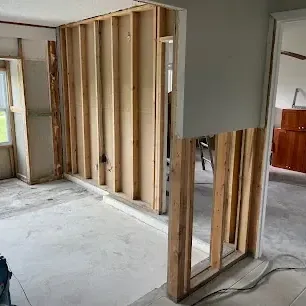
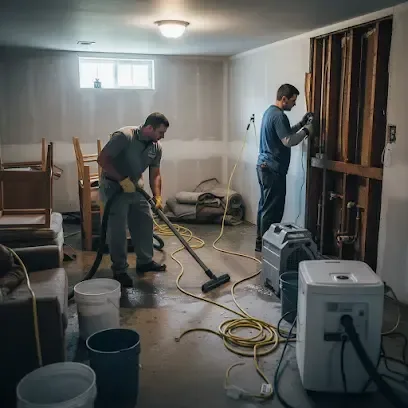
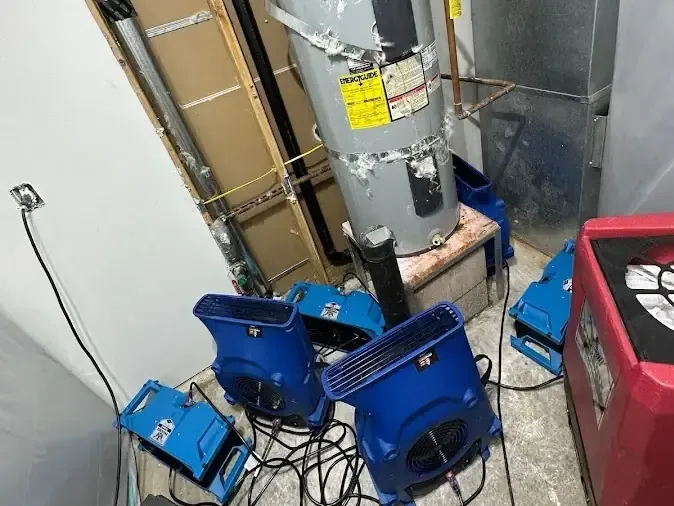
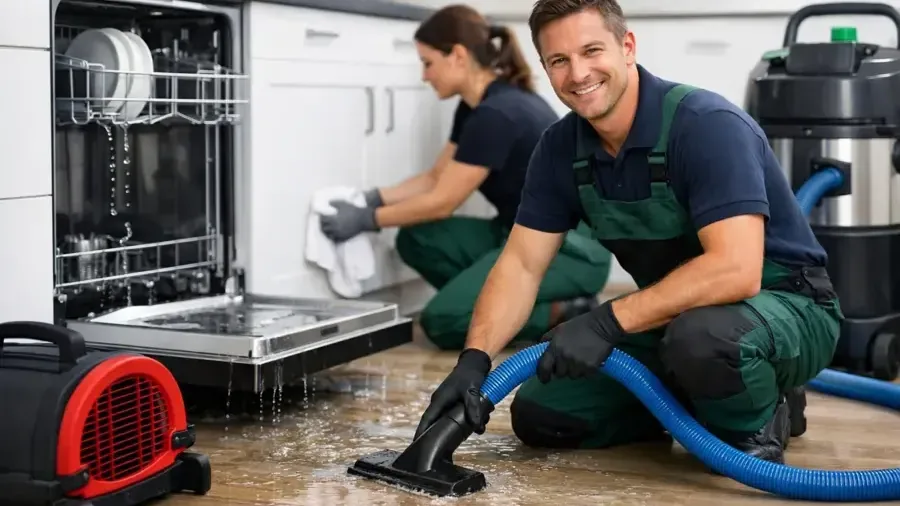
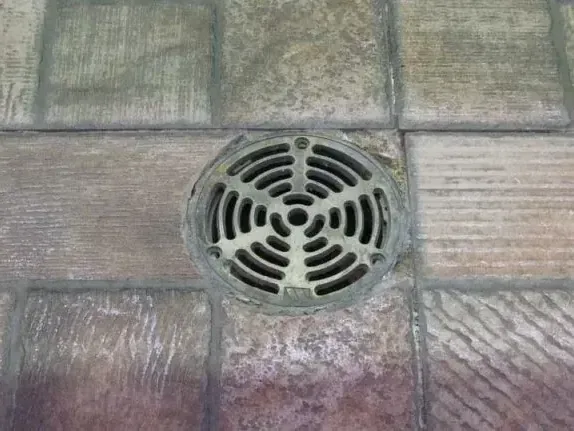
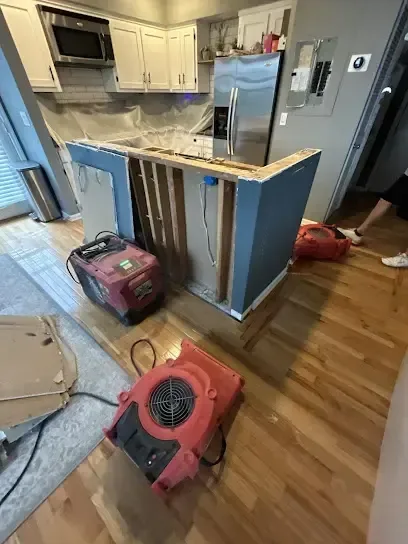
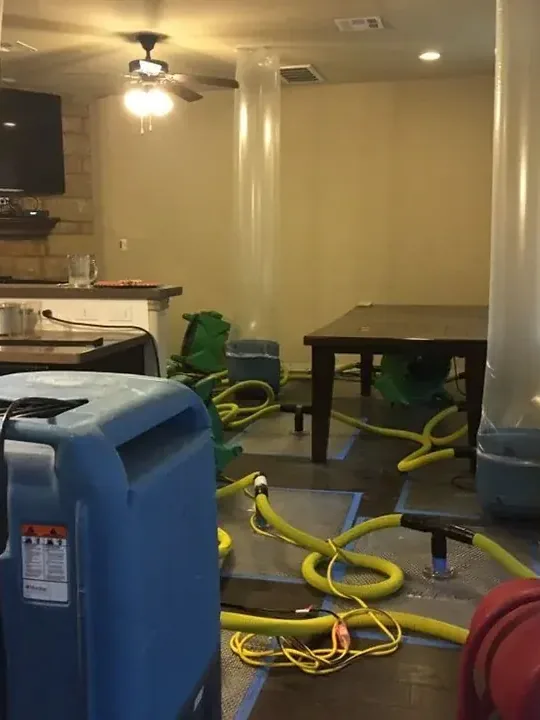
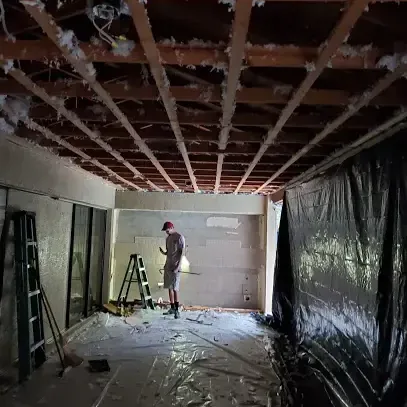
Dry-out work in pictures
Crews cover Monrovia streets and neighborhoods
Restoration crews cover the whole city, from Ridgeside and the Oakglade Drive neighborhood in the foothills to the blocks around Foothill Boulevard and Huntington Drive.
Reaching a restoration crew from any part of town
Water damage does not keep office hours, so a call about a leak, backup or storm runoff makes sense at any hour. Describe what is wet and the crew plans the extraction and drying around it.
(888) 578-6508Call the drying crew, any hourWhat puts Monrovia homes at risk of water damage
Foothill rain, decades of homebuilding and a large share of rentals shape the water problems seen here. Storm runoff, worn supply pipes and roof leaks top the list.
- Foothill storm runoff. Hard rain on the slopes can push mud, debris and water toward low doors, garages and ground floors, and that water counts as contaminated.
- Worn supply pipes. Many homes date to the building booms of the 1920s and the growth years from 1940 to 1960, so supply pipes may have decades of service behind them.
- Rental homes. More than half of occupied homes, 53.6 percent, are rented, so a leak often involves a tenant and a landlord, and records are kept for both.
- Roof and ceiling leaks. Heavy rain finds weak spots in roofs and flashing, then travels through the attic and shows up as a stain or sag on a ceiling.
- Drain backups. A blocked drain can push sewage into a bathroom or onto a floor, and contaminated water needs protective gear before any drying starts.
December 14, 2021: A heavy storm sent mud and debris flow into Monrovia Canyon Park, breaking a water main, and the city issued a local emergency. Foothill neighborhoods avoided serious damage.
Common questions
Water damage right now? Standing water spreads fast through floors and walls. Call now, any hour, and describe what is wet so the crew can plan the extraction.
(888) 578-6508Describe the water lossHow fast should water damage be dried?
Drying should start as soon as standing water is removed, because wet drywall and framing can grow mold within 24 to 48 hours. Waiting also lets water travel into new rooms and raises the repair bill.
Does insurance cover water damage in a home?
Many policies cover sudden losses such as a burst pipe, but not slow neglected leaks or flooding from outside. The policy language decides, so photos, readings and a written scope help the claim. A documented dry-out also shows the loss was handled promptly.
Who handles water damage in a rental?
Responsibility depends on the lease and the cause, so the tenant should tell the landlord right away. Moisture readings and photos are kept for both sides, which keeps the record clear. Photos taken at the start protect both the tenant and the owner.
Is sewage water dangerous?
Yes. Sewage and storm runoff carry bacteria, so the crew wears protective gear, removes porous materials that touched it and sanitizes before drying begins. The full process for sewage backup cleanup follows the same order every time.
What happens during structural drying?
Air movers push dry air across wet surfaces while dehumidifiers pull moisture out of the room. Readings are checked at each visit during structural drying until framing, drywall and floors reach their dry standard. Dense materials such as hardwood take longer than drywall.
Can wet carpet be saved?
Clean water caught early can sometimes be extracted and dried in place, though the pad is usually removed. Carpet that sat in contaminated water is discarded, and hardwood or tile is judged case by case.
Does heavy rain cause leaks in foothill homes?
It can. Rain finds gaps in roofing and flashing, soaks the attic insulation and then stains the ceiling below. The opening is traced before the wet materials are dried.
How is the cost of a job decided?
The wet area, the materials involved, how long the water sat and whether it was contaminated drive the cost. The crew explains the scope before work begins.
What should be done before the crew gets started?
Shut off the water, photograph the damage, lift small items off wet floors and avoid contaminated rooms. Leave wet drywall and flooring for the crew.
Can a business stay open during a dry-out?
Often yes. Drying can be staged by area, so shops and offices keep working while the wet sections are isolated and dried.
Water in the walls or on the floor? Start drying now.
Describe the leak, backup or storm damage, and the crew sets up extraction and drying around the affected rooms.