Water Damage Restoration Claremont, CA
24/7 water damage restoration in Claremont, CA. The extraction crew pulls the standing water, the drying team dries slab, framing and drywall to the IICRC S500 standard, and every reading goes into the claim file.
(888) 578-6508Warm floor or runoff indoors? Get crews rolling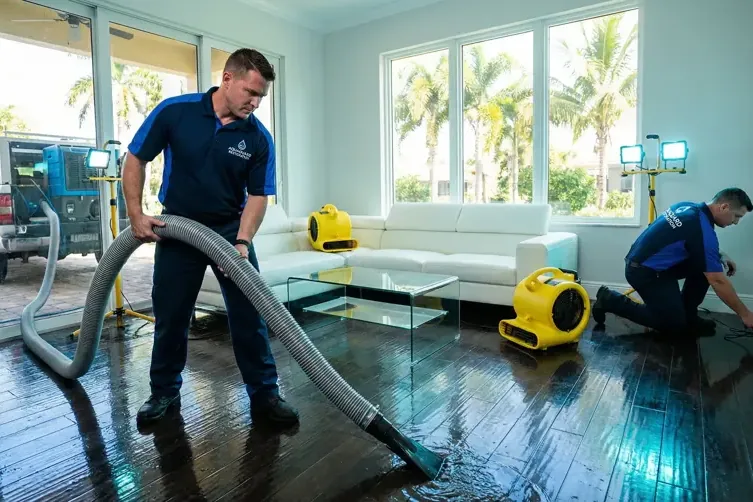
Three ways water finds its way into a house at the foot of the mountains
Water rarely arrives from one direction at the base of the San Gabriel foothills. Most losses start in one of three places.
Under the slab
A pressure leak in a supply line below the floor soaks pad and wall bottoms for days before anyone sees a stain.
Slab leak water damageDown from the foothills
Most of the year's rain falls in winter, and runoff off sloped lots finds door thresholds and low garage slabs.
Storm runoff and flood cleanupUp through the drain
Roots and settled joints in an older sewer lateral push wastewater up the lowest tub or shower in the house.
Sewage backup cleanup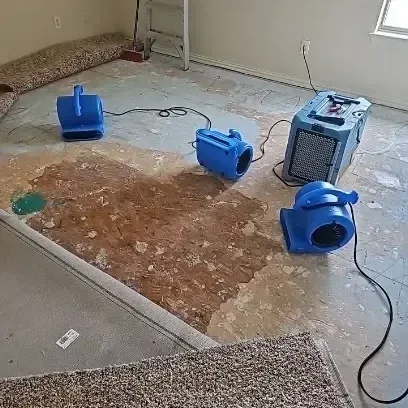
Water Damage Restoration Services in Claremont, CA
Water and sewage work only, from the first pass of the extraction wand to the last moisture reading. The losses this end of the county sees most lead the list.
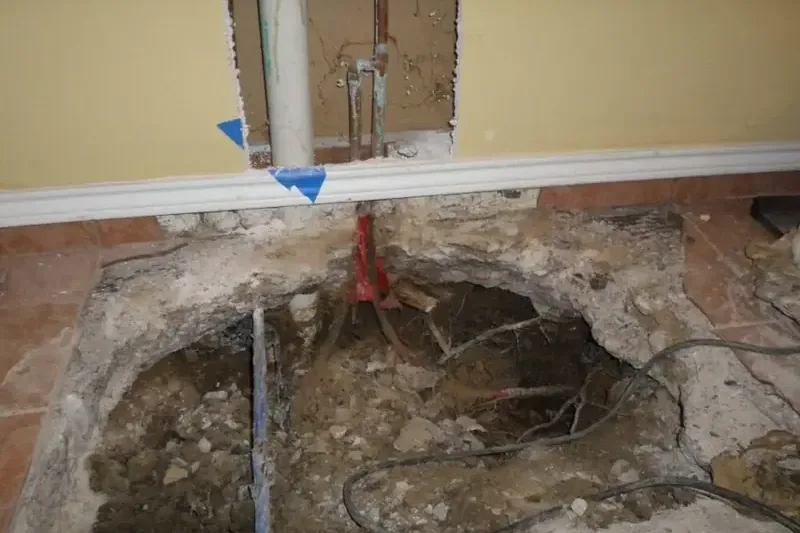 Slab Leak Water DamageSupply line leaks under the floor traced with moisture readings, flooring lifted and the slab dried to goal.See how it is handled
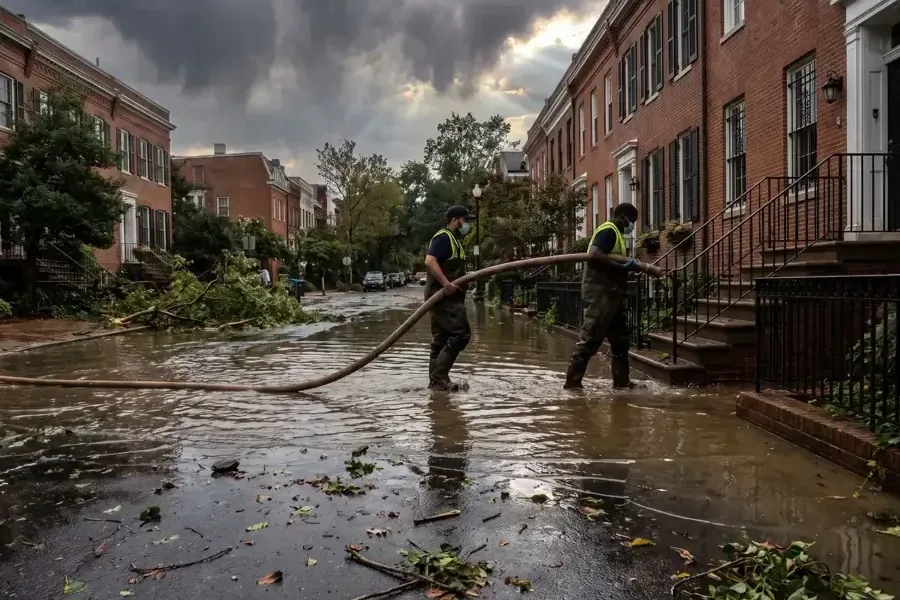 Storm Runoff and Flood CleanupWinter runoff that came in under the doors or into the garage, treated as contaminated and dried out.See how it is handled
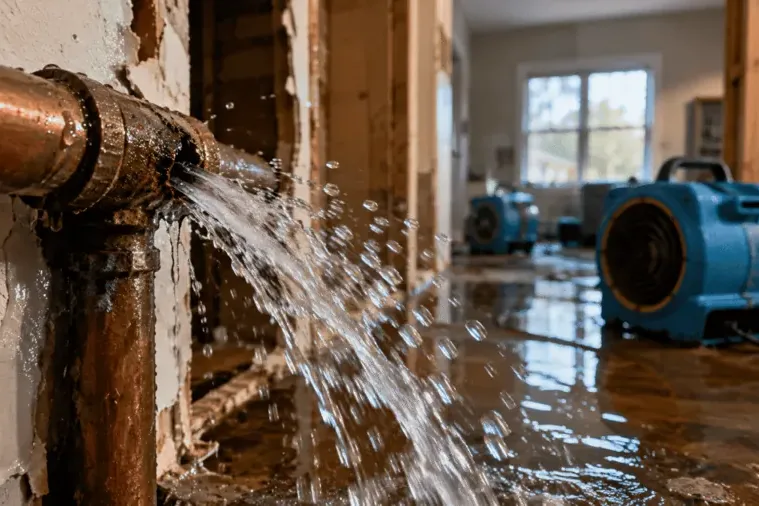 Burst Pipe and Supply Line LeaksSplit copper, failed fittings and pressure surges inside walls and ceilings, extracted and dried in place.See how it is handled
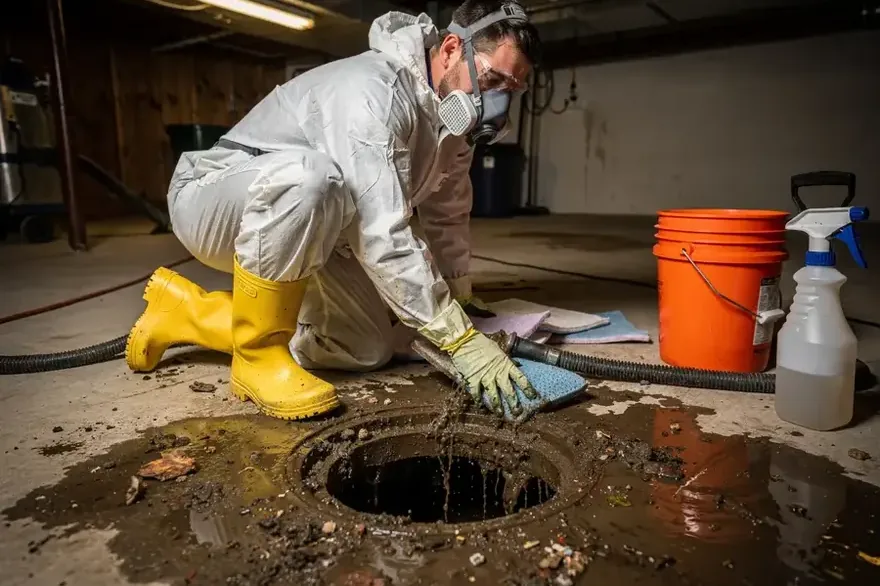 Sewage Backup CleanupLateral and toilet backups handled as Category 3, with porous materials removed and hard surfaces treated.See how it is handled
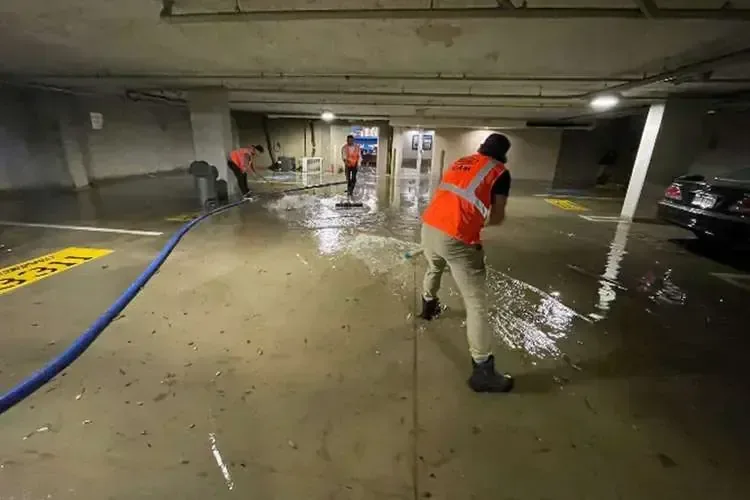 Water Extraction and RemovalTruck-mounted extraction pulls the standing water first, so drying works on the materials, not the puddle.See how it is handled
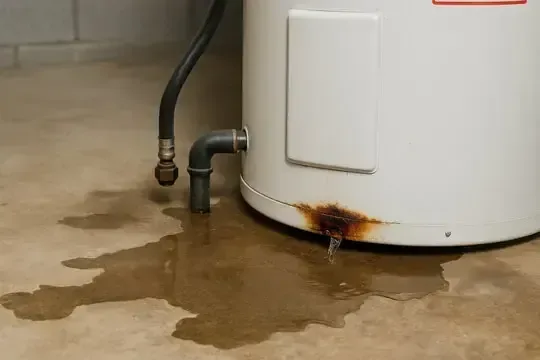 Water Heater Leak CleanupGarage and closet tank failures caught before the water reaches drywall, cabinets and stored boxes.See how it is handled
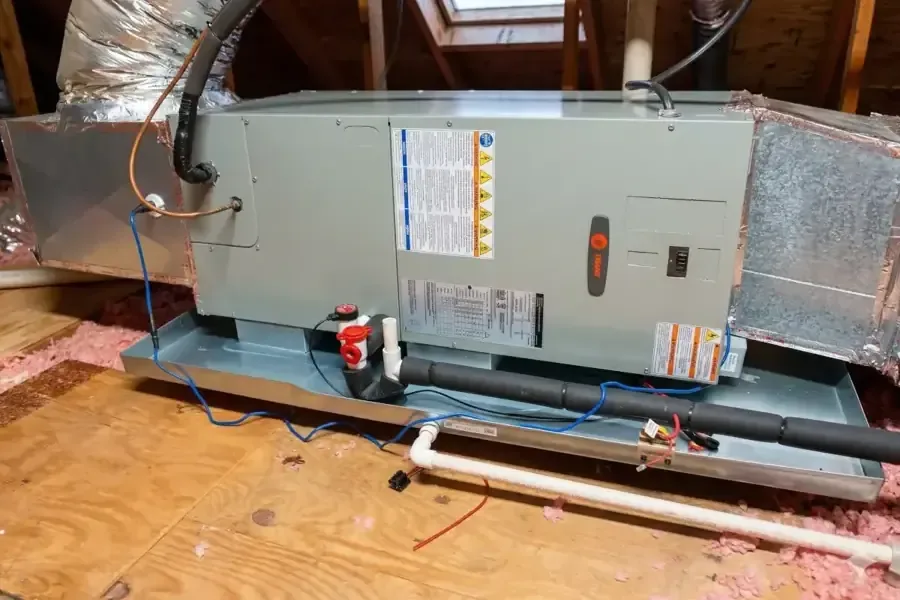 AC Condensate Leak CleanupAttic drain pans that overflow in a 100-degree week, dried out of ceilings, insulation and walls.See how it is handled
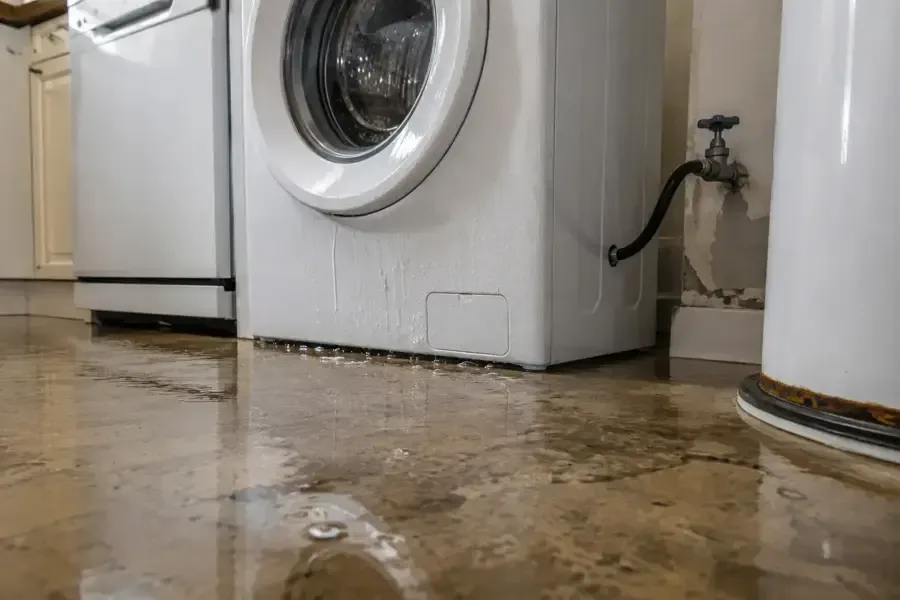 Appliance and Supply Hose LeaksWasher hoses, dishwasher lines, ice makers and toilet supplies, dried under the cabinets as well as the floor.See how it is handled
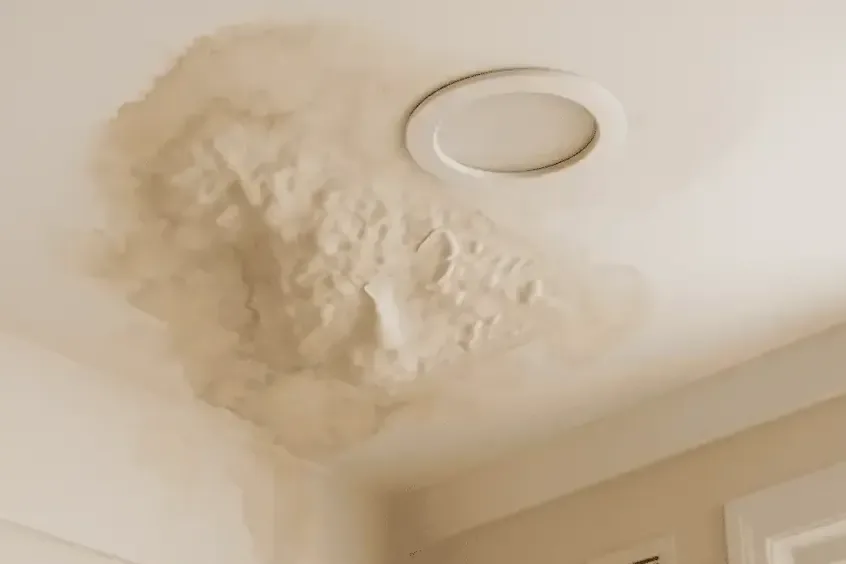 Ceiling Leak Water DamageUpstairs bath and supply leaks traced through the ceiling, opened only where the readings say it is wet.See how it is handled
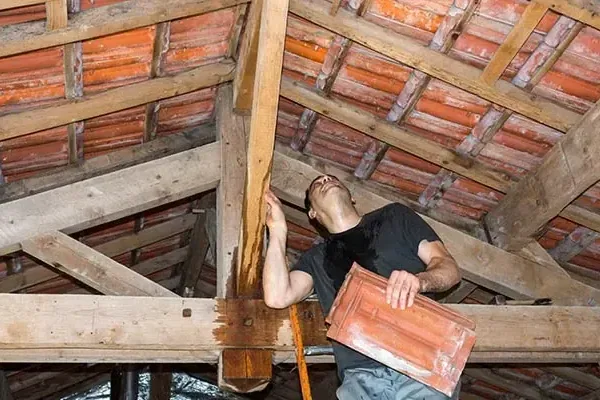 Roof Leak Water DamageFirst-storm leaks at tile, flashing and vents, with wet attic insulation pulled and the ceiling below dried.See how it is handled
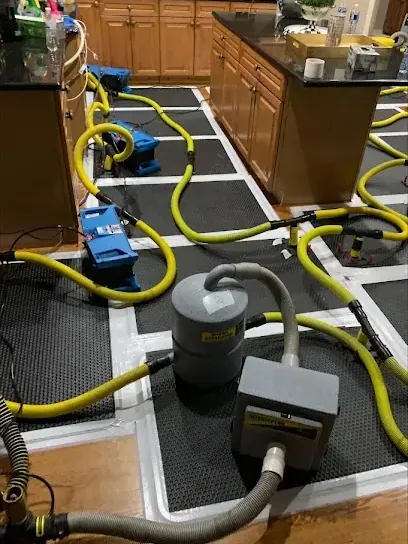 Structural Drying and DehumidificationFraming, subfloor, plaster and concrete dried to readings, with equipment left until the numbers say dry.See how it is handled
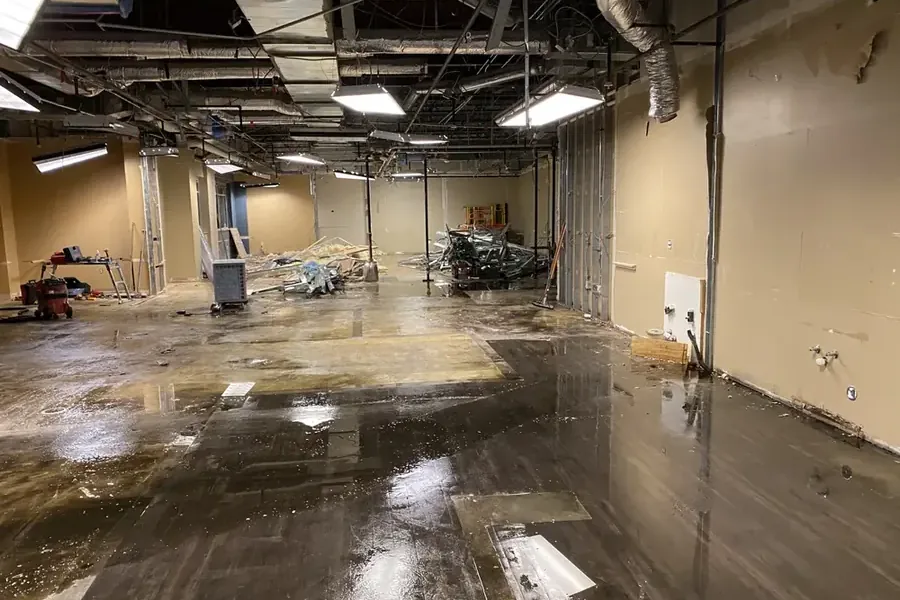 Commercial Water DamageStorefronts, offices, studios and rentals near the campuses dried in phases so the doors can stay open.See how it is handled
What to do while the water is still spreading
Close the main shutoff
Look where the supply line enters the house, often by a front hose bib or inside the garage.
Kill power to wet rooms
Use the breaker only when the panel and the floor in front of it are dry.
Stay clear of sewage
Water from a tub, shower or toilet backup is treated as contaminated from the start.
Photograph everything first
Timestamped photos of each wet area, taken before anything moves, start the claim file.
Lift rugs and boxes, then call
Mold can start inside 24 to 48 hours, so drying should begin right away.
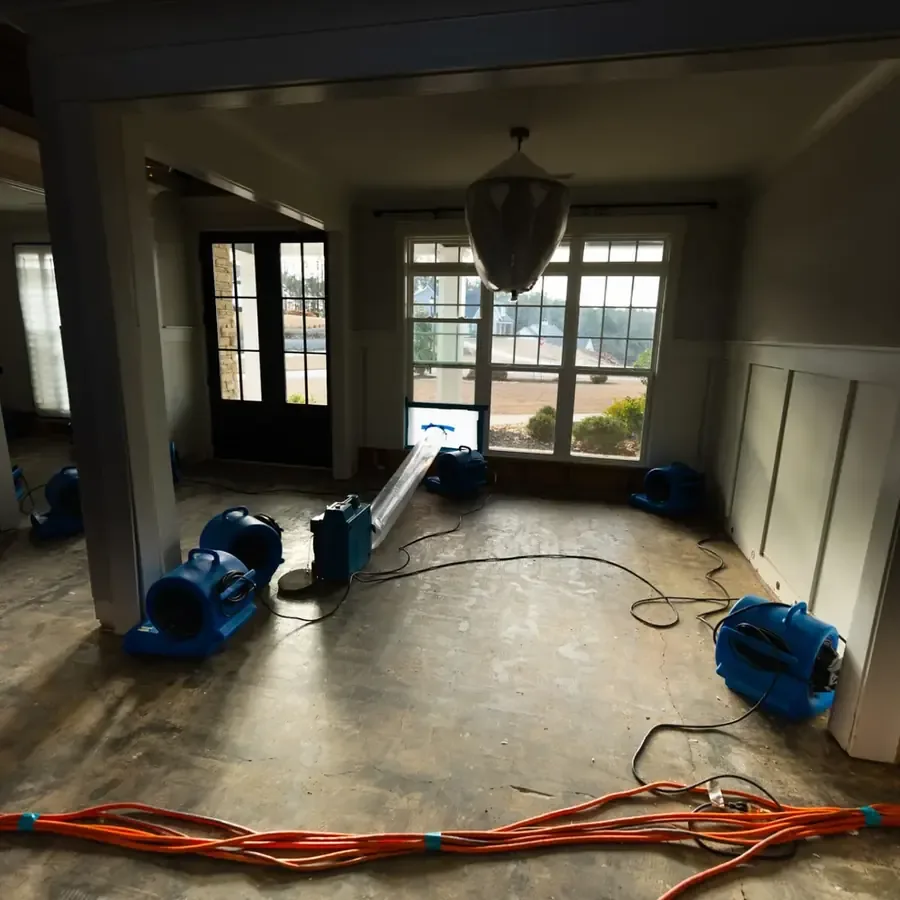
Equipment on a typical drying job
- Truck-mounted extraction
- LGR dehumidifiers
- Desiccant units for slabs and plaster
- Air movers
- Thermal imaging cameras
- Pin and pinless moisture meters
Water damage dried to the IICRC S500 standard
Structural drying, not surface drying. Concrete, framing and plaster hold water long after a floor looks dry, so the equipment stays until the readings say dry, not until the room looks finished.
| Moisture mapping | The walkthrough tech maps wet materials with meters and thermal imaging before any equipment goes down. |
|---|---|
| Extraction | The extraction crew pulls standing water out with truck-mounted units, so less is left for the air. |
| Air movers and LGR | Air movers sized to each room, with LGR dehumidifiers pulling the released moisture out of the air. |
| Dry verification | Daily readings continue until wet materials sit within 2 to 4 points of a dry reference. |
When winter storms run off the San Gabriel foothills
Snow on the San Gabriel Mountains is a winter sight from town, and most of the year's rain arrives in those same few months. On the north side, runoff heads downhill fast.
- Long before the railroad land boom, the Tongva lived in this area and drew on the freshwater of what the Spanish later called San Antonio Creek.
- Sloped lots and driveways on the foothill streets send storm water toward door thresholds, garage slabs and sliding door tracks.
- Water that comes in from outside is Category 3 from the start, so wet carpet, pad and drywall bottoms are removed, not dried.
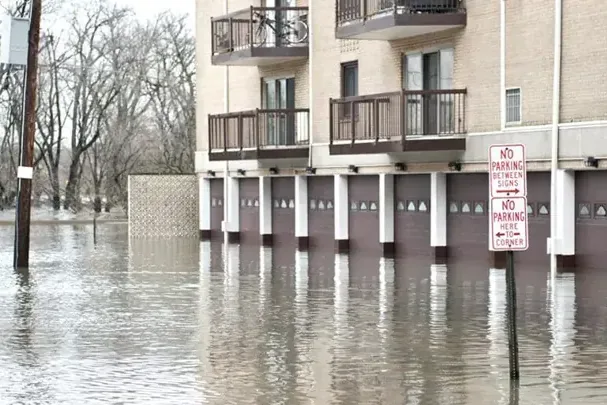
What a properly run dry-out gets right
A finished dry-out follows what is actually wet, not what looks wet, and it leaves a paper trail an adjuster can read.
Rapid response at any hour
Crews roll at night, on weekends and on holidays to the Village, the Colleges area and the foothill streets.
IICRC S500 drying
Drying follows the industry standard, from the water category call to the final reading.
Claim-ready records
Moisture maps, daily psychrometric logs and timestamped photos go into a file an adjuster can follow.
Slab and plaster know-how
Concrete floors and older plaster walls dry slowly, so desiccants and wall cavity drying are standard tools.
Clean, gray and black water, each handled its own way
Category 1, 2 and 3 water get different treatment.
Clean water
Supply lines, slab leaks and water heaters. Often dried in place when drying starts early.
Burst pipe and supply line leaksGray water
Washer drains, dishwasher overflows and condensate. Soaked pad and drywall bottoms are cleaned or removed.
Appliance and supply hose leaksBlack water
Sewage backups and storm runoff from outside. Porous materials get removed, not dried.
Sewage backup cleanupWhat does water damage restoration cost in Claremont, CA?
Water damage restoration in this area typically runs $1,300 to $15,000 or more. The drivers are the water category, how many square feet got wet, the material class and how fast drying started. A long-running slab leak or a sewage backup sits at the top.
| Type of loss | Typical range | What usually drives it |
|---|---|---|
| One room, clean water | $1,300 to $3,800 | one or two rooms, drying in place, daily readings |
| Slab leak or several rooms | $3,800 to $15,000 | flooring lifted off the slab, desiccant or LGR drying, wall bottoms opened |
| Sewage or outside runoff | $9,000 to $26,000+ | Category 3 protocol, HEPA air scrubbers, porous materials removed |
These are typical ranges, not a quote. For a closer planning number, run the water damage cost calculator before the crew arrives.
What the claim file needs to hold
A water claim is decided on the file, not on the phone call. A complete file from the restoration contractor carries:
- The moisture map from the first visit
- Daily psychrometric logs and moisture readings
- Timestamped photos taken before any demolition
- The category and class of the loss
- A line-item scope in the format adjusters expect
Sudden and accidental, or flood
A burst supply line or a slab leak is usually treated as sudden and accidental. Storm runoff that comes in from outside is flood, which a standard homeowners policy often leaves out.
A sewer backup may need its own endorsement. Coverage depends on your policy, so it is worth checking with your own insurer before the repair phase starts.
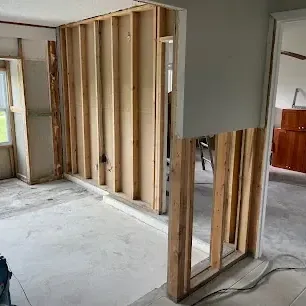
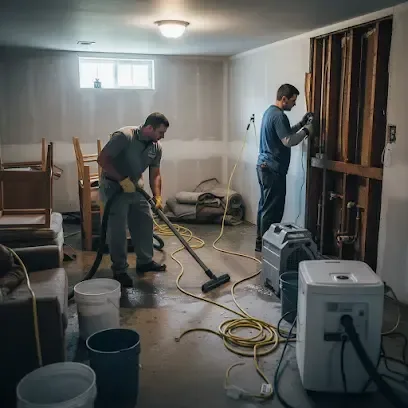
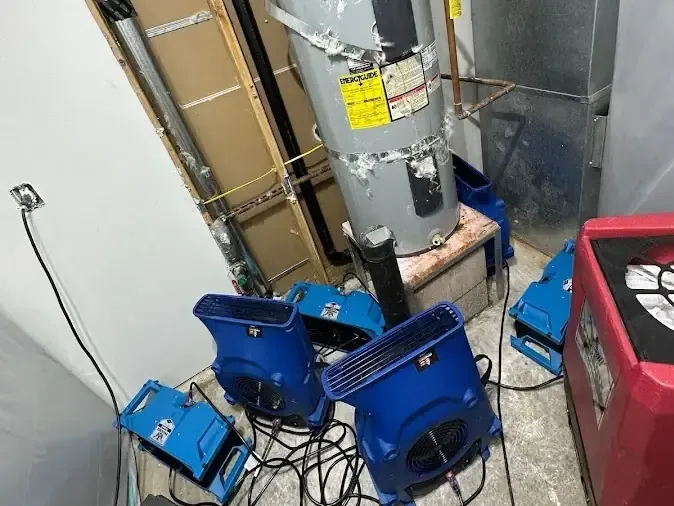
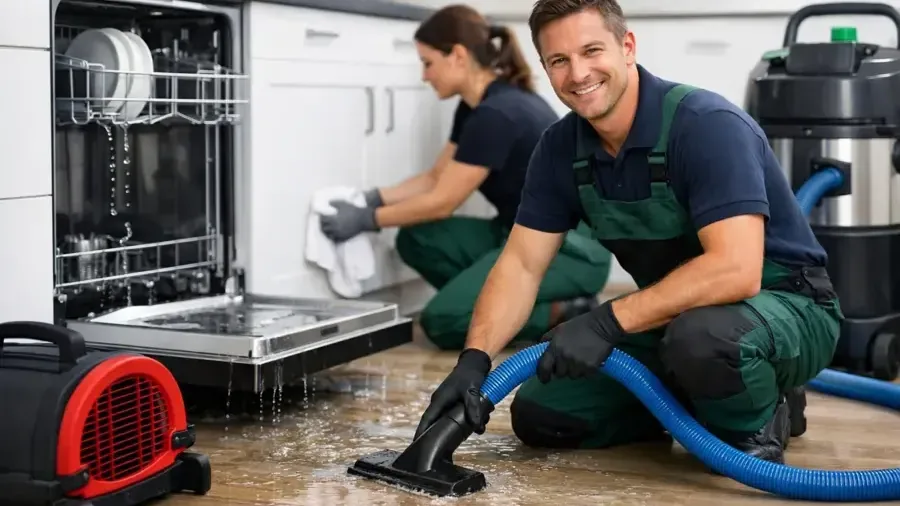
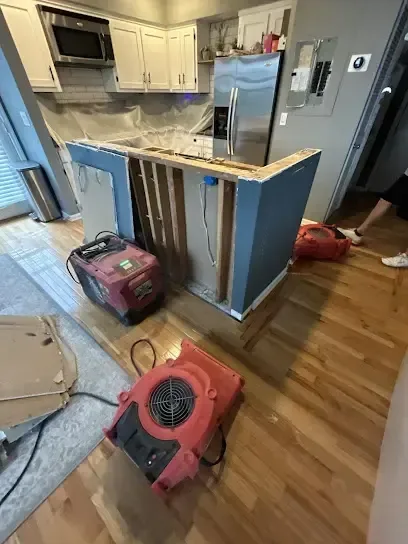
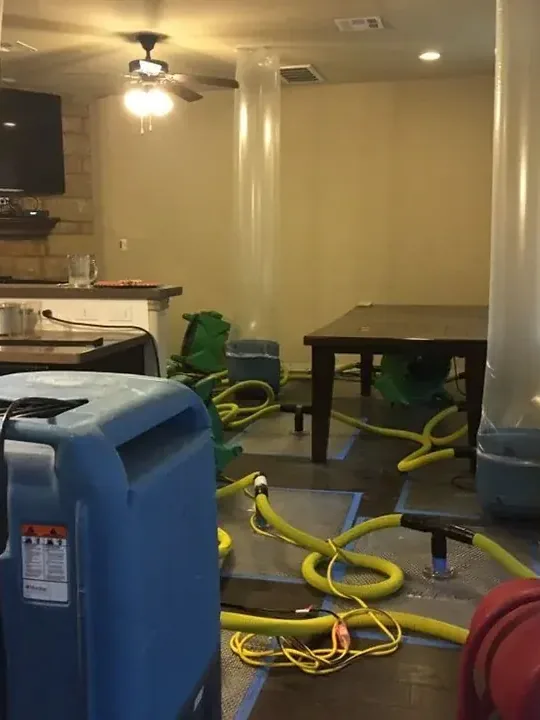
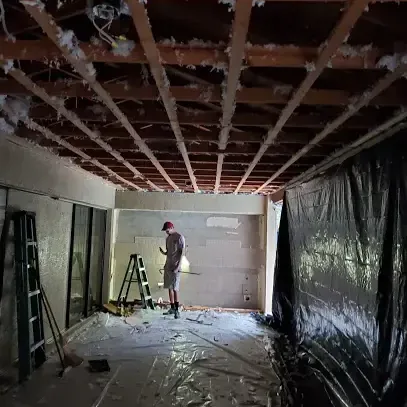
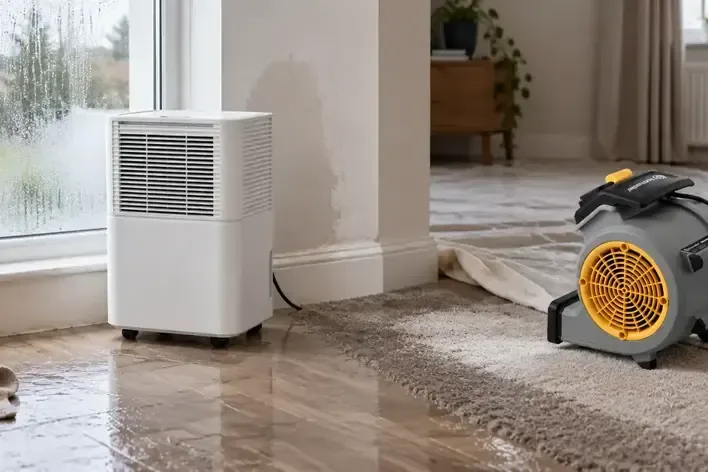
What a water damage dry-out looks like
Water damage restoration across ZIP 91711 and nearby cities
The restoration crew covers every street in ZIP 91711, from the Village and the Colleges area to the foothill streets and Arrow Highway, plus the neighboring Pomona Valley cities.
One call puts a drying crew on the road, day or night
Say what is wet and where the water came from: under the floor, a supply line, the ceiling, a drain or the yard. The response team loads the extraction and drying equipment that job needs before it leaves.
(888) 578-6508Dispatch to the Village or the foothill streetsWater damage in Claremont, CA: the local risk profile
A railroad-boom town grid, a college town of about 37,000 people and a slope up to the San Gabriel foothills: those three facts shape most water losses here.
- Slab leaks. Houses built on concrete slabs hide their supply lines under the floor, so a pinhole leak shows up as a warm spot, a cracked tile or a meter that keeps moving.
- Winter storm runoff. Most of the annual rain falls in winter, and water coming off the foothills and sloped lots finds thresholds, garages and sliding doors.
- Supply pressure. Golden State Water, which runs groundwater wells in the Claremont system, has proposed replacing critical pressure-reducing valves in its 2028 to 2030 rate case; a worn regulator at the house lets pressure strain hoses and fittings.
- Older drain lines. Houses on the original grid around the Village can still have clay or cast-iron sewer laterals, where roots and settled joints cause backups.
- Summer heat. Temperatures above 100 degrees keep attic air handlers running for weeks, and a clogged condensate line overflows into the ceiling below.
April 2023: one unexplained wet week: In April 2023, CBS Los Angeles reported about 20 local homes with unexplained flooding on their property over a single week, and residents ran portable pumps to keep up.
Water damage questions from local homeowners
Water on the floor right now? Describe what is wet, where it came from and how long it has been there, and the drying team plans the equipment around it.
(888) 578-6508Ask how the slab gets driedHow fast can a crew respond to water damage here?
The restoration team dispatches around the clock across ZIP 91711 and the nearby Pomona Valley cities, and active water is treated as urgent at any hour. Water keeps moving into pad, drywall and framing while it sits, so the first call matters.
How do I know if I have a slab leak?
Common signs are a warm spot on a tile or wood floor, the sound of running water with every tap off, a water meter that keeps turning and a damp baseboard with no visible source. A plumber locates and repairs the pipe; the drying team handles the wet slab and flooring.
Why does storm water get into houses near the foothills?
Most of the year's rain arrives in a few winter months, and water running off sloped lots and driveways looks for the lowest opening: a door threshold, a garage slab or a sliding door track. Water from outside is treated as Category 3.
Is water damage covered by insurance in California?
A sudden, accidental leak such as a burst supply line is often treated differently from flooding or a sewer backup, which may need a flood policy or an endorsement. Coverage depends on your policy, so it is worth checking with your own insurer.
How long does drying take?
A contained Class 1 or 2 loss usually dries in three to five days. A wet slab, hardwood and older plaster take longer, sometimes with desiccant units, and equipment comes out on readings, not on a date.
What is the IICRC S500?
It is the industry standard for professional water damage restoration: how water is categorized, how drying equipment is sized and how a structure is confirmed dry before the job closes.
Does drywall always have to come out?
No. Clean water caught early can often be dried in place with wall cavity drying. Saturated drywall, wet insulation and anything touched by sewage or outside floodwater is cut out above the highest wet reading.
Why is a sewage backup handled differently?
Sewage is Category 3 water from the start. Crews wear protective gear, remove porous materials the water touched, clean hard surfaces and apply an EPA-registered antimicrobial at the label dwell time before drying begins.
What should I do before the crew arrives?
Shut off the main water valve, switch off power to wet rooms if the panel is dry, keep people and pets away from any sewage, photograph everything and lift rugs, boxes and furniture legs off the wet floor.
How is the cost of a water job figured?
The scope starts from the water category, the square footage that got wet, the material class and how long the water sat. Removal, equipment days, containment and any antimicrobial work are listed line by line for the adjuster.
Water on the floor, in the ceiling or under the slab right now?
The restoration crew extracts the water, dries the structure to the IICRC S500 standard and documents every step.