Structural Drying and Dehumidification in Claremont, CA
Structural drying pulls water out of framing, subfloor, plaster and concrete, not just the surface. The drying team in Claremont sizes air movers and LGR or desiccant dehumidifiers to each room and reads the materials every day.
(888) 578-6508Floor looks dry but feels damp? Get readings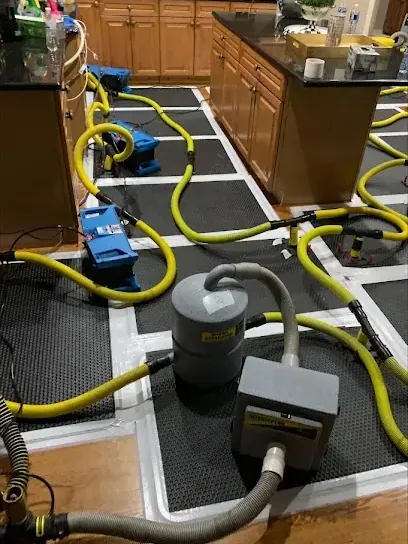
Structural drying is the part of a water job that decides whether the house stays sound. After extraction, water remains inside drywall, framing, subfloor, plaster and the slab itself. The goal is to bring each material back to the reading of an unaffected spot in the same house.
Matching equipment to the material
Class 1 and 2 losses, mostly drywall and carpet, dry well with air movers and LGR dehumidifiers. Class 3 losses, with water in ceilings and walls, need more air and containment. Class 4 materials such as concrete, hardwood and old plaster hold water tightly and often need desiccant dehumidifiers and longer runs.
Still smelling damp after the fans? The drying team reads the materials, not the surface.
(888) 578-6508Get real moisture readingsDaily readings and logs
Every day, the drying team records temperature and relative humidity inside the drying area, outside it and outdoors, and reads each wet material against its dry reference. Equipment is moved or added where readings stall. Dry summer air helps, but May Gray mornings can be humid, so the house stays closed and the dehumidifiers control the air.
Why the numbers matter for the claim
Daily logs show the adjuster why each piece of equipment stayed and when the job reached dry. The EPA indoor air quality pages explain why moisture left in a structure matters, and the California Department of Insurance covers claim documentation.
What does structural drying and dehumidification cost in Claremont, CA?
Structural drying typically runs $1,200 to $9,000, driven by the number of rooms, the material class, how many equipment days the readings call for and whether desiccant units are needed.
| Type of loss | Typical range | What usually drives it |
|---|---|---|
| Class 1 or 2, small | $1,200 to $2,800 | air movers, one LGR unit, three to four days |
| Class 3, several rooms | $2,800 to $6,000 | walls and ceilings, containment, several LGR units |
| Class 4 materials | $6,000 to $9,000+ | slab, plaster or hardwood, desiccant drying, long run |
Ranges are typical, not a quote: the water category, the square footage, the material class and how fast drying started move the number most. Run the water damage cost calculator for a closer planning range.
How structural drying and dehumidification is handled, step by step
Map and set the goal
Dry reference readings taken in unaffected areas.
Place equipment
Air movers and dehumidifiers sized per room.
Read daily
Materials and air logged and adjusted.
Confirm dry
Equipment comes out when readings pass.
Structural Drying and Dehumidification questions in Claremont, CA
Structural drying and dehumidification: moisture mapping, air movers and LGR or desiccant dehumidifiers sized to each room and material, daily psychrometric logs, and readings until materials reach a dry reference.
(888) 578-6508Book a full structural dry-outHow do I know when structural drying is finished?
When wet materials read within 2 to 4 points of a dry reference taken from an unaffected spot in the same house, and the daily logs show the readings holding.
Why does structural drying equipment run day and night?
Drying is steady work: air movers keep moist air moving off surfaces and dehumidifiers remove it. Turning them off at night lets the materials take moisture back.
What is the difference between LGR and desiccant dehumidifiers in structural drying?
LGR units use refrigeration and work well for most rooms. Desiccant units use a drying wheel and reach the low humidity that concrete, hardwood and plaster need.
Can I open the windows during structural drying?
Usually not. The drying team controls the air inside the house, and humid outside air slows the drying.
How long does structural drying take?
Three to five days for most clean water losses, up to ten for slabs, hardwood and plaster, and the readings decide, not the calendar.
Related water damage services
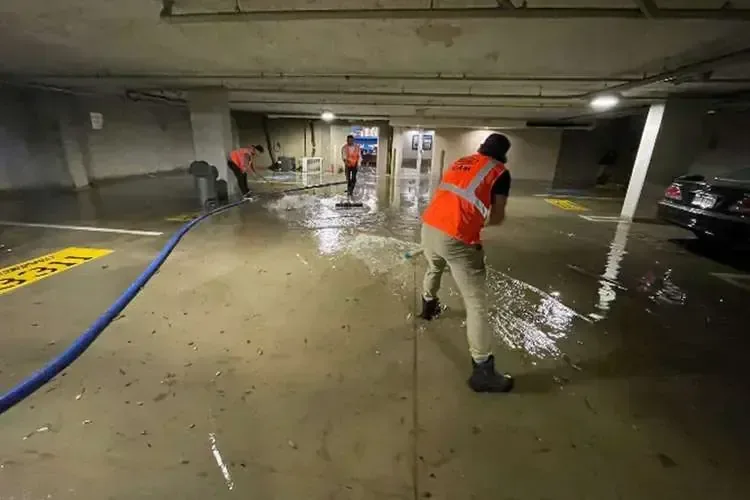
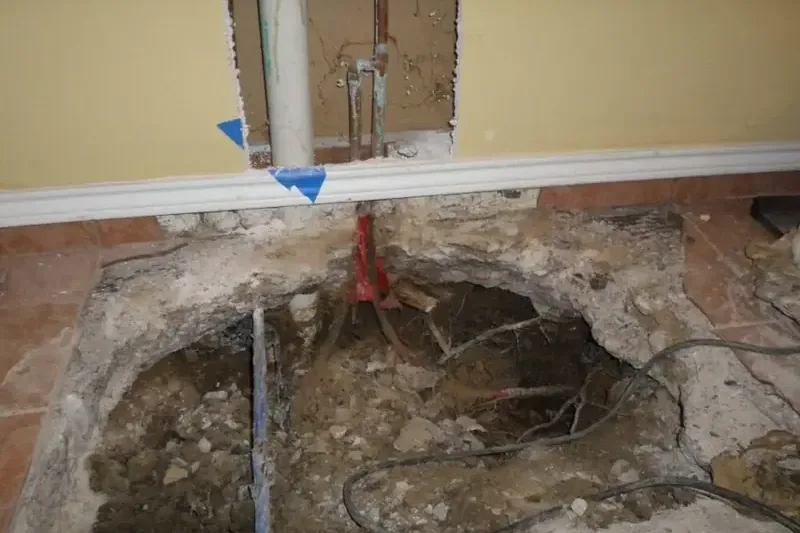
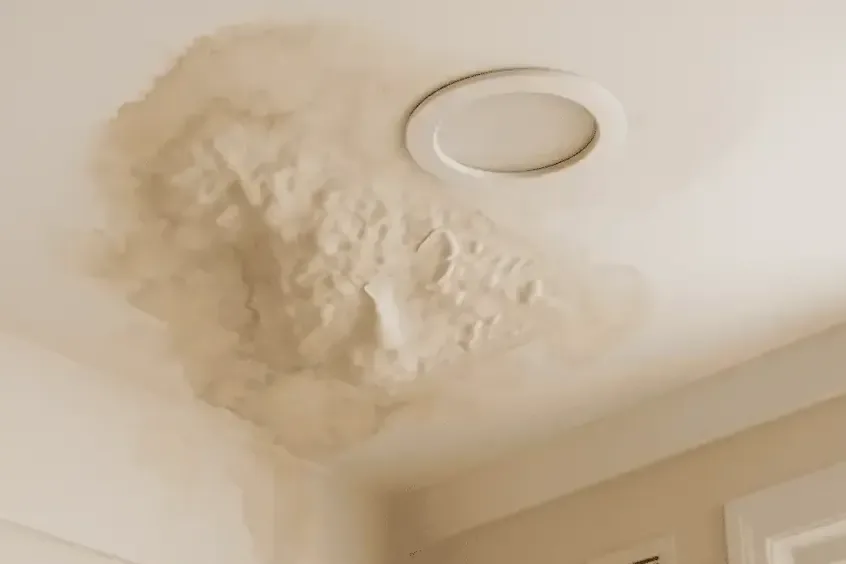
Structural drying and dehumidification across Claremont, CA
Crews cover ZIP 91711: the Village and the college-named avenues, the Colleges area, the northwest foothill streets above Base Line Road, and the blocks along Foothill Boulevard, Indian Hill Boulevard, Towne Avenue and Arrow Highway.
Nearby coverage reaches Upland, Pomona, La Verne, San Dimas.
Water out, but the house still damp?
Water left in framing, subfloor and concrete keeps causing trouble. The drying team sizes the equipment to each room and logs readings until it is dry.