Structural Drying in Jurupa Valley, CA
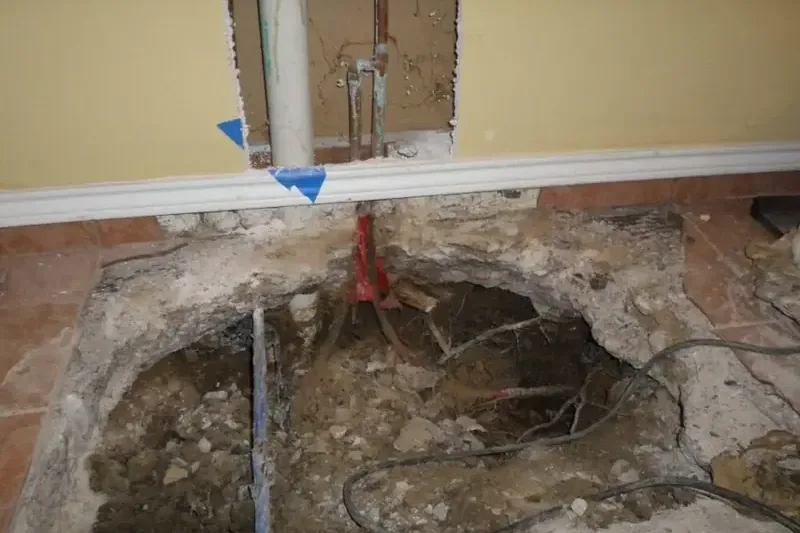
After the standing water is gone, moisture stays in walls, subfloors and framing. The drying team maps it, sets air movers and dehumidifiers, and logs readings every day until each material reaches its dry reference.
(888) 578-6508Walls still damp? Start measured drying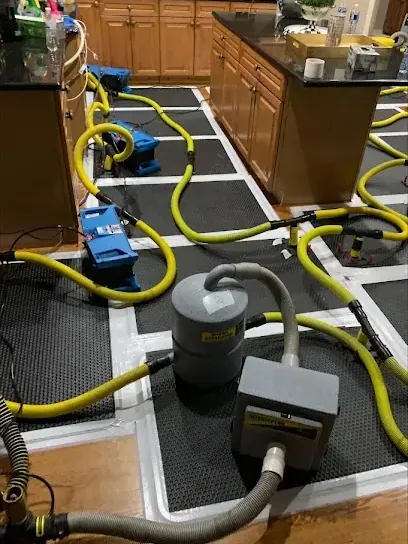
Structural drying is the stage that follows extraction. It removes the water that soaked into drywall, wood, subfloors and concrete, which fans in an open window never reach. About 77% of the city's housing units are single-family detached homes, so most jobs involve walls, floors and framing on one or two levels.
What the drying team sets up
- Moisture meters and a thermal camera to map wet areas
- Air movers that sweep wet surfaces
- LGR and desiccant dehumidifiers that pull water out of the air
- Wall and floor drying systems where cavities are closed
Baseboards cupping or the room still smelling damp after the water is gone? The drying team measures what is left in the walls and floors.
(888) 578-6508Get the walls measured and driedHow drying is verified
Every day the team rereads the same points on floors and walls and compares them with a dry reference taken from unaffected material. Equipment is moved or removed as areas finish, and the job closes only when every reading is at or near that reference. After water extraction, the daily log is what an adjuster checks.
Why speed matters
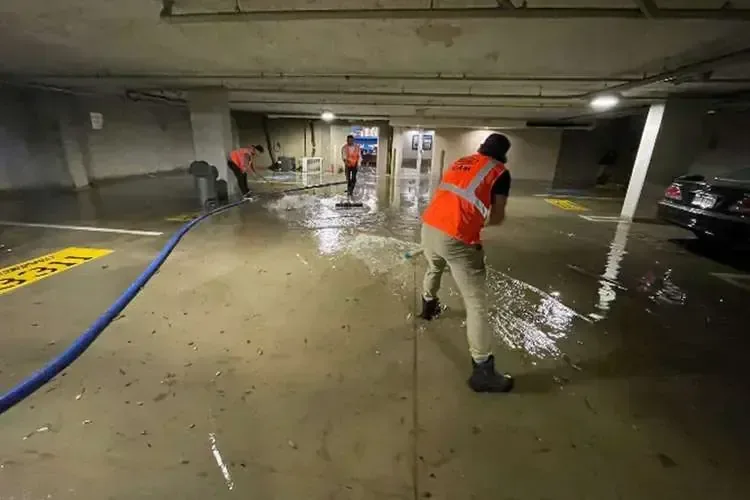
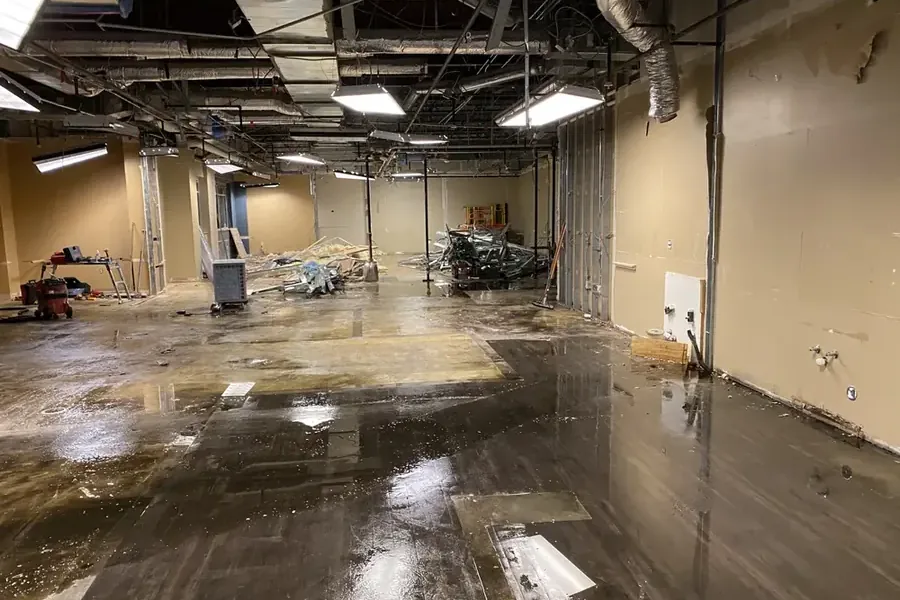
Damp materials can start growing mold within 24 to 48 hours, so drying begins as soon as the water is removed, and equipment runs around the clock until the readings say stop. Large buildings follow the same method, scaled up in commercial water damage jobs.
What does structural drying and dehumidification cost in Jurupa Valley, CA?
Structural drying usually runs $1,200 to $9,000 or more. The material class, the number of rooms and the days of equipment on site set the figure.
| Type of loss | Typical range | What usually drives it |
|---|---|---|
| Class 1 or 2, small | $1,200 to $2,800 | one or two rooms, drywall and carpet, three or four days |
| Class 3, several rooms | $2,800 to $6,000 | ceiling and walls wet, more air movers, dehumidifiers |
| Class 4 materials | $6,000 to $9,000+ | concrete or hardwood, desiccant units, longer monitoring |
Ranges are typical, not a quote: the water category, the square footage, the material class and how fast drying started move the number most. Run the water damage cost calculator for a closer planning range.
How structural drying and dehumidification is handled, step by step
Map the moisture
Meters and a thermal camera show every wet surface.
Set the equipment
Air movers and dehumidifiers go where readings are highest.
Read daily
Points are rechecked, equipment adjusted.
Close the job
Readings reach the dry reference, then equipment leaves.
Structural Drying and Dehumidification questions in Jurupa Valley, CA
Structural drying and dehumidification cover mapping moisture, setting air movers and dehumidifiers, and logging daily readings until wet walls, floors and framing reach their dry reference.
(888) 578-6508Start the measured dry-outHow long does structural drying take?
It depends on how far the water spread and what the materials are. Drywall dries sooner than hardwood or concrete.
Why do dehumidifiers matter?
Air movers lift moisture off surfaces, and dehumidifiers remove it from the air so it does not settle somewhere else.
What is a dry reference?
A reading taken from unaffected material in the same house, which becomes the target for the wet areas.
Can drying be done in a few hours?
No. Moisture inside framing and subfloors needs days of controlled airflow, not a single pass.
What does the daily log show?
Each visit records readings, temperature, humidity and equipment, which gives the adjuster a clear trail.
Why does a room still feel damp after the fans leave?
Moisture left inside framing and subfloors slowly returns to the air, which is why readings, not feel or smell, decide when equipment can leave.
Structural drying and dehumidification across Jurupa Valley, CA
Structural drying covers all nine communities in Jurupa Valley, including Belltown, Crestmore Heights, Mira Loma, Pedley and Rubidoux, and homes along Mission Boulevard, Limonite Avenue and the SR 60 corridor.
The same service nearby: structural drying and dehumidification in Claremont, Eastvale, Norco.
Every water damage service for this city · every town covered
Still damp after cleanup?
Water hides in framing and subfloors long after the surface looks dry. The drying team sets equipment and logs readings until every material is done.