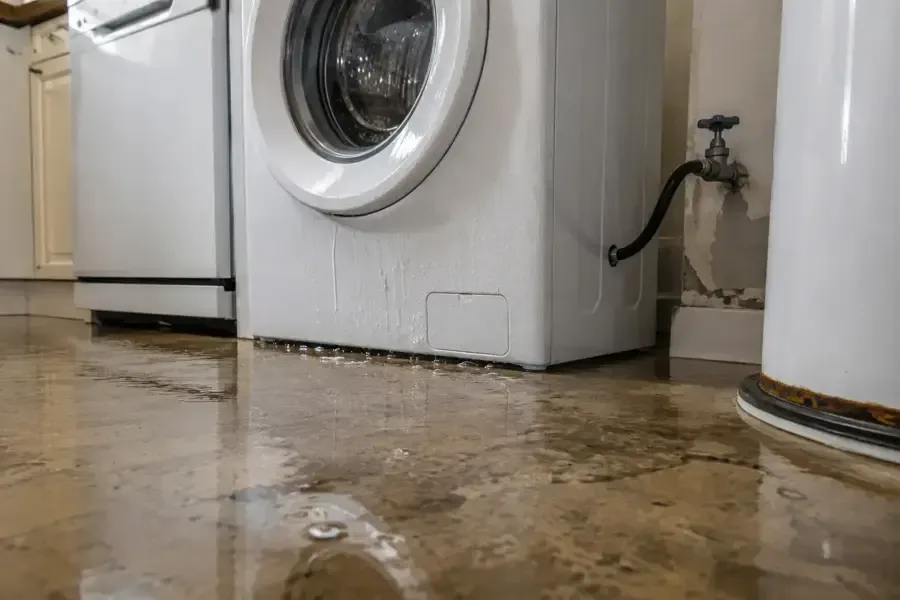
In the 2020 Census, 53.6 percent of occupied homes in Monrovia were occupied by renters, so a leak from a washer, dishwasher, refrigerator supply or water heater often involves two parties. Both need the same facts, written down while the water is still fresh. The goal is plain: one clear timeline, one set of photos and readings, and no guessing later.
Key takeaways
- More than half of occupied homes here are rented, which means one leak often involves a tenant and a landlord.
- Dated photos and written notes taken before cleanup protect both sides and keep the story the same for each.
- Moisture readings and equipment logs show what was wet, what was dried and when the structure reached dry.
- A tenant records the damage and the timeline; a landlord records the repair work and the failed part.
- Who pays is a lease and insurance question that this post does not try to answer.
Why a rental leak has two audiences
Monrovia had 15,241 housing units in the 2020 Census, and 14,556 of them were occupied. Of those occupied homes, 46.4 percent were owner-occupied and 53.6 percent were occupied by renters.
In a rental, a leak touches a tenant's belongings and a landlord's building. The same water produces two lists, and the two sets of records should agree with each other.
That split is why rental leaks go better with plain, shared facts. Agreement on what happened comes faster when both sides are looking at the same dated photos and the same readings.
Where rental leaks usually start
Many of these are slow leaks that run behind or beneath an appliance. The first sign is often a soft floor edge, a musty cabinet or a stain on the ceiling of the unit below.
Water travels. A supply hose that fails in an upstairs laundry closet can reach the ceiling of the unit below, and a dishwasher leak can run under cabinets and into the next room.
A quick look behind and beneath each appliance, plus a check of the shutoff valves, is a cheap habit in any rental. A hose that bulges or weeps at the fitting is usually close to failing.
- Washing machine supply hoses and drain connections
- Dishwasher supply fittings and door seals
- The refrigerator ice maker water supply
- A water heater tank or its fittings in a closet or garage
What a tenant should record
The tenant is the first person to see the water, so the tenant holds the best early evidence.
Tenants who are unsure what to photograph can start with the source, the lowest wet area and anything that cannot be replaced. More photos are better than fewer.
- Dated photos of the leak, the wet floor and every damaged belonging
- The time the water was found and the time the landlord or manager was told
- A list of damaged items with rough age and value
- Receipts for anything bought because of the leak
- Notes on any rooms that cannot be used while drying equipment runs
What a landlord or manager should record
The landlord holds the building, the repair history and the link to the plumber or appliance supplier.
A landlord who keeps a short written timeline, from the first message to the last reading, answers questions faster later. It also makes it easier to hand records to an insurer without reconstructing events.
- The source that was found and shut off, with a photo of the failed part
- The date and scope of the repair or replacement
- Photos of the structure before drying and after
- Which neighboring units or rooms were touched by the water
- Copies of messages with the tenant and with the insurer
How drying records keep both sides on the same page
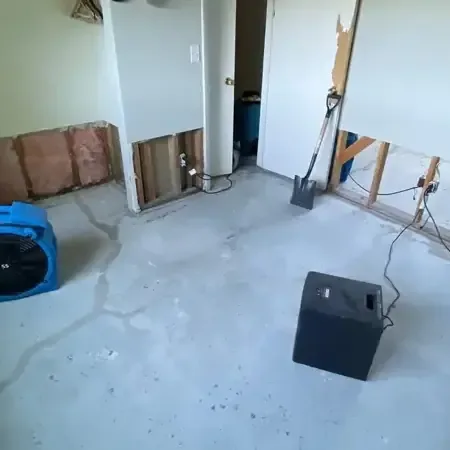
A drying team measures wet materials with moisture meters and notes the readings, the rooms and the equipment placed. Daily readings show whether walls and floors are moving toward dry.
Equipment is logged too: how many air movers and dehumidifiers were placed, in which rooms, and when they were removed. That log answers the common question of why a fan was running for days.
Those notes are kept for the tenant, the landlord and any insurer, so nobody is working from memory. Appliance and supply hose leak cleanup follows that routine in every kind of home.
For a wider look at local service, see water damage restoration in Monrovia.
Slow leaks, shared walls and neighboring units
In buildings with more than one unit, a leak that starts in one home can show up in another. The unit that shows the damage is not always the unit where the water started.
Tracing the source before opening walls saves work and avoids cutting in the wrong place. Moisture readings on both sides of a shared wall show how far the water spread.
- Check ceilings and wall bottoms in the unit below or next door
- Look for staining around vents, light fixtures and plumbing walls
- Ask neighbors whether they have noticed damp spots or odors
- Keep a record of each unit touched, with photos and readings
Water heaters in rental closets and garages
A tank that fails in a closet sends water into wall framing, while a garage tank spreads across the floor. Water heater leak cleanup starts by shutting off the supply and extracting what is standing.
Closet tanks deserve a second look because wall framing and the floor of the next room can take on water out of sight. Moisture readings along the wall bottoms show how far it went.
Replacing the tank is a separate job for a plumber. The drying work and the records for it are what this post is about.
Questions
Who should be told first about a leak in a rental?
The landlord or manager should be told right away, in writing if possible, with photos. The time of the message becomes part of the record. Written notice also gives the landlord a clear start time for the repair.
What photos help the most?
Wide shots of each room, close shots of the failed part and the high-water mark, and photos of every damaged belonging. Dates and times on the photos are valuable.
Do both sides need copies of the moisture readings?
It helps. The readings show what was wet and when it reached dry, which answers many questions between tenant, landlord and insurer. Sharing them early avoids disputes about what was wet and for how long.
Can a slow appliance leak be missed for days?
Yes. A hose or ice maker supply can drip behind a unit for a long time before a soft floor, a musty cabinet or a ceiling stain gives it away. Checking behind appliances now and then catches many of these early.
Does this post say who pays for the repair?
No. That depends on the lease, the cause and the insurance policies involved, and it is outside what this post covers. Neither the tenant nor the landlord should read it as advice on who is responsible.
What if the leak came from a neighbor's unit?
Document the damage in the same way and tell the landlord or manager. Moisture readings along the shared wall help show where the water came from and how far it spread.